

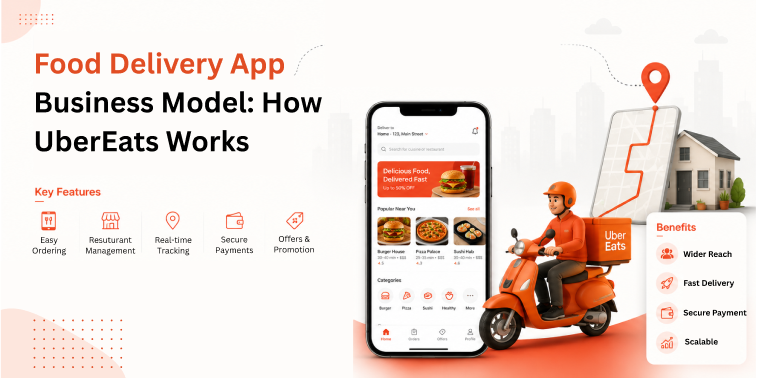
The food delivery app industry has experienced explosive growth in recent years, revolutionizing the way consumers access their favorite meals from local restaurants. Among the leaders in this market is UberEats, a platform that has not only streamlined the ordering process but has also transformed traditional food delivery logistics. Understanding the intricacies of the UberEats business model offers valuable insights into its operational strategies, revenue streams, and the challenges it faces in an increasingly competitive landscape. This article explores how UberEats works, breaking down its key components and examining the factors that contribute to its success in the dynamic world of food delivery services.
Overview of the Food Delivery App Market
Market Growth and Trends
The food delivery app market has been on a meteoric rise, almost like a freshly baked pizza sliding out of the oven! With the global pandemic serving up a hefty dose of convenience, more people turned to food delivery services than ever before. By 2023, the market was projected to reach a staggering $200 billion, thanks to trends like on-demand delivery and the increasing popularity of ghost kitchens. Tech-savvy millennials and Gen Z are leading the charge, hungry for fast and easy access to their favorite meals. So, strap in; it’s a spicy market that’s growing hotter by the day!
Consumer Behavior and Preferences
Today’s consumers are like picky eaters at a buffet—armed with smartphones and ready to explore the vast menu options available at their fingertips. Convenience, speed, and variety are the holy trifecta of food delivery preferences. Diners now crave personalized experiences, from tailored meal recommendations to order-tracking features, making them feel like they’re living in the future. And let’s not forget the growing demand for healthy and sustainable food options; more folks are looking to feast on guilt-free goodies instead of greasy takeout. You could say consumer behavior is a fascinating recipe, stirring in technology, trends, and taste!
Key Components of the UberEats Business Model
Technology Infrastructure
UberEats operates on a robust technology infrastructure that’s as essential as cheese on a pizza. The app uses sophisticated algorithms to connect hungry customers with nearby restaurants in a flash. With real-time GPS tracking, customers know exactly when their food will arrive—no more staring out the window like a lost puppy. The platform’s backend is designed for scalability, allowing it to handle millions of orders seamlessly. Think of it as a well-oiled machine, always ready to serve up deliciousness at a moment’s notice!
User Experience and App Features
The user experience on the UberEats app is designed to be smoother than a perfectly blended smoothie. With a clean layout, easy navigation, and mouth-watering visuals of menu items, users can place orders in a jiffy. Features like personalized recommendations, order history, and live tracking ensure customers feel pampered as they scroll through their options. Plus, with multiple payment options and a user-friendly interface, it’s hard to resist indulging in a late-night snack. UberEats knows that keeping users happy is the secret ingredient to success!
Revenue Streams for UberEats
Commission Fees from Restaurants
UberEats collects a commission from partnering restaurants, usually ranging from 15% to 30% per order. It’s like UberEats saying, “Hey, let us do the heavy lifting, and we’ll take a slice of the pie.” This allows restaurants to tap into a broader audience while UberEats ensures they keep the deliveries rolling. It’s a win-win—restaurants gain exposure, and UberEats fatten their pockets. Just don’t tell the restaurants—it might ruin their appetite for collaborating!
Delivery Fees Charged to Customers
Delivery fees are like the cherry on top of the sundae for UberEats. Customers pay a little extra for the convenience of having their favorites delivered straight to their doorstep. Fees can vary based on distance, demand, and special promotions. While customers might grumble about these fees sometimes, they’re often willing to shell out a few extra bucks for the privilege of enjoying their food without stepping out—after all, who wants to put on pants, right?
Subscription Services and Promotions
UberEats also offers subscription services, such as Uber Eats Pass, which allows customers to enjoy benefits like free delivery on certain orders and exclusive discounts. It’s like a VIP club for foodies! Promotions and partnerships with local eateries also spice up the menu, driving more orders and encouraging customer loyalty. With a little creativity and a sprinkle of marketing, UberEats keeps the momentum going while making sure everyone’s stomachs are filled and wallets are emptied—though not too empty!
Operational Workflow of UberEats
Order Placement and Processing
When a user places an order, it starts a careful choreography of technology and logistics—think of it as a well-rehearsed ballet! Orders are sent directly to the restaurant, where they get prepped faster than you can say “extra cheese.” Once the food is ready, delivery partners are alerted to pick it up, ensuring the freshness level is maximized. The entire process is streamlined to ensure customers get their meals quickly, without the heart-pounding wait that makes you question all your life choices.
Delivery Network Management
Managing the delivery network is where the magic truly happens—UberEats uses smart algorithms to efficiently allocate delivery partners to orders. Factors like distance, traffic conditions, and delivery partner availability come into play like a game of chess. The goal is to reduce delivery times while ensuring every driver gets enough bites of the action. With real-time data and an ever-evolving network, UberEats keeps things moving, making sure hungry customers are never left hanging (or starving).
Partnerships with Restaurants and Delivery Personnel
Restaurant Onboarding Process
To get restaurants on board, UberEats uses a streamlined onboarding process that feels like signing up for a social media account—just with fewer cat videos. Restaurants can easily apply through the app, providing essential details like menus, operating hours, and delivery preferences. Once submitted, their offerings are reviewed faster than you can say “extra guacamole,” and if all checks out, they’re added to the UberEats menu. This partnership is mutually beneficial; restaurants get more exposure and sales, while UberEats expands its culinary landscape, making sure users can always find something to satisfy their cravings.
Driver Recruitment and Management
Getting drivers on the road is crucial for UberEats, and they’ve adopted a strategy that’s as tempting as free pizza. Prospective drivers sign up through an app, pass a background check (so your late-night burrito run stays drama-free), and undergo an orientation. Once on board, they’re given the flexibility to choose their hours and delivery routes, making it an appealing gig for anyone with a penchant for driving and a love of food. UberEats also uses a rating system to keep quality in check, ensuring that drivers are reliable and polite—because nobody wants a cranky courier showing up with their pad Thai.
Marketing Strategies and Customer Acquisition
Promotional Campaigns and Discounts
UberEats knows that everyone loves a good deal, so they’ve mastered the art of promotional campaigns. Whether it’s “$10 off your first order” or “buy one, get one free sushi,” these tempting offers are like the siren’s call, drawing in new customers. Seasonal promotions and partnerships with popular restaurants keep things fresh—just like that basil you forgot you had lurking in your fridge. Plus, referral bonuses keep users sharing the love (and the app), turning friends into new customers faster than you can say “who’s hungry?”
Branding and Customer Loyalty Programs
Branding is where UberEats really spices things up. The app boasts a user-friendly interface adorned with vibrant food pics that make your stomach growl and your wallet cringe. Their loyalty program entices customers to return with perks like free delivery after a certain number of orders. Basically, the more you order, the more they reward you—like a relationship where you’re always the one bringing dessert. This not only increases customer retention but also fosters a sense of community among loyal users, turning food lovers into lifelong fans of the brand.
Challenges and Competition in the Food Delivery Industry
Market Saturation and Differentiation
The food delivery market is hotter than a jalapeño in July, with countless players vying for a slice of the pie. UberEats faces fierce competition from other giants like DoorDash and Grubhub, not to mention local upstarts that pop up faster than you can say “food coma.” To stand out, UberEats focuses on unique features, diverse restaurant partnerships, and an efficient delivery network. They’re working hard to keep customers engaged, making sure their offerings are as eclectic as a potluck dinner gone right.
Regulatory and Legal Challenges
Navigating the regulatory landscape is another spicy meatball on UberEats’ plate. Local laws and regulations can be as tricky as deciphering a restaurant’s secret menu. Issues such as labor laws, delivery driver classification, and health regulations can complicate operations. UberEats must constantly adapt to these changing tides to stay compliant while making sure that drivers and restaurants aren’t left in a lurch. It’s like trying to juggle three plates while riding a unicycle—exciting but definitely not easy.
Future Trends and Innovations in Food Delivery Services
Technological Advancements
The future of food delivery is looking bright, and tech is at the heart of it all. From AI-driven algorithms that predict what you’ll crave next to drone deliveries that could soon appear at your doorstep (no more awkward eye-contact with your delivery driver!), technological advancements are shaping the industry. Smart kitchen appliances may even integrate with delivery apps for seamless meal prep. The possibilities are endless, and frankly, a little thrilling—like a rollercoaster made of fries.
Shifts in Consumer Expectations
As everyone becomes more health-conscious and eco-friendly, consumer expectations are evolving faster than the latest food trends. Customers now want not only convenience but also transparency about food sourcing and delivery practices. This shift is prompting UberEats and its competitors to invest in sustainable packaging and eco-friendly delivery options. So, next time you order that late-night pizza, you can feel a little less guilty knowing you’re supporting a greener future—one slice at a time!In conclusion, UberEats exemplifies the evolution of the food delivery industry through its innovative business model and strategic partnerships. By effectively navigating operational challenges and adapting to consumer demands, the platform has established itself as a key player in the market. As the landscape continues to evolve with new technologies and changing consumer preferences, understanding the foundations of UberEats can provide valuable lessons for aspiring entrepreneurs and established businesses alike. The future of food delivery holds exciting possibilities, and platforms like UberEats will undoubtedly continue to shape the way we experience dining.
Frequently Asked Questions (FAQs)
What are the main revenue sources for UberEats?
UberEats primarily generates revenue through commission fees charged to restaurants, delivery fees paid by customers, and subscription services that offer perks to regular users.
How does UberEats ensure food safety during delivery?
UberEats implements various safety measures, including temperature-controlled delivery bags and guidelines for drivers to follow, ensuring that food remains safe and fresh during transit.
What challenges does UberEats face in the competitive food delivery market?
UberEats faces challenges such as market saturation, regulatory hurdles, and competition from other food delivery services, requiring continuous innovation and adaptation to stay ahead.
Is UberEats available in all regions?
While UberEats operates in many cities worldwide, its availability can vary based on local demand, regulations, and partnerships with restaurants, so it’s advisable to check the app for specific service areas.

Parth Kulkarni
Managing Director
Parth Kulkarni is the Managing Director with strong expertise in IT and on-demand app solutions, focused on empowering startups and enterprises with scalable digital products. His strategic leadership and business insight drive innovation, ensuring consistent client success and long-term growth.