


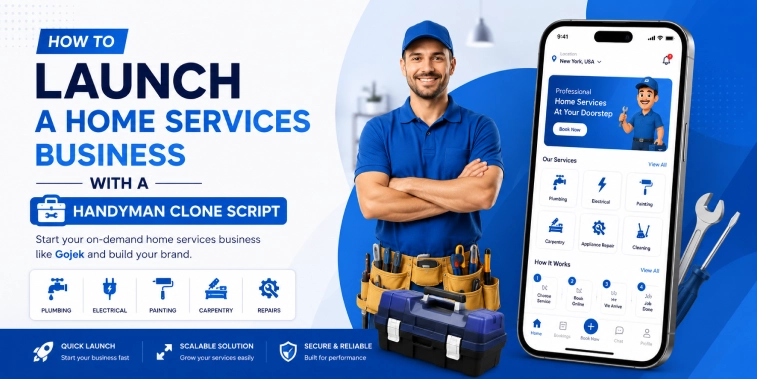
Launching a home services business can be an exciting and lucrative venture, especially in a world where homeowners increasingly seek reliable help for maintenance and repairs. With the rise of the gig economy, the demand for handyman services is growing, providing a perfect opportunity for aspiring entrepreneurs. Utilizing a handyman clone script can simplify the process of starting your business by offering a ready-made solution that encompasses essential features and functionalities. This article will guide you through the key steps to successfully launch your home services business, from understanding the market and utilizing a clone script to implementing effective marketing strategies and managing operations efficiently. Whether you’re a seasoned professional or a newcomer to the industry, you’ll find valuable insights to help you establish and grow your handyman services business.
Understanding the Home Services Market
Current Trends in Home Services
The home services market is buzzing like a bee on espresso these days! With remote work becoming the new normal, people are spending more time at home and noticing every little thing that needs fixing, from leaky faucets to funky electrical issues. Eco-friendly services are on the rise too, with homeowners opting for sustainable solutions. And let’s not forget about the convenience of online bookings, which are sweeping through the sector like a viral TikTok dance.
Identifying Your Target Audience
Knowing your audience is like knowing the secret ingredient in grandma’s famous lasagna—it makes all the difference! Typically, your target audience will include homeowners, renters, and real estate investors. Families with kids often require quick fixes, while singles might look for more specialized services. Keep your ear to the ground and consider demographics, income levels, and the specific needs of your community.
Market Research and Analysis
Market research may sound like a fancy term reserved for corporate boardrooms, but it’s crucial for your handyman empire! Start by analyzing your competition—who’s fixing what in your area? Tools like surveys and online analytics can help you gauge customer preferences and pain points. Think of it as creating a personal handyman crystal ball to foresee the future challenges and opportunities in your market.
What is a Handyman Clone Script?
Definition and Functionality
A handyman clone script is basically like buying a pre-made cake to decorate for your unique party. It’s a script that mimics the functionality of successful handyman service platforms, allowing you to launch your business quickly. These scripts come equipped with features like service listings, user accounts, and booking systems that save you time and headaches.
Benefits of Using a Clone Script
Using a handyman clone script is like having a cheat sheet during finals—it gives you a leg up! Firstly, it significantly reduces development time, so you won’t be pulling all-nighters. Secondly, it’s often more cost-effective than building a platform from scratch. Plus, many clone scripts come with built-in features based on industry best practices, giving you a well-oiled machine without the trial-and-error phase.
Popular Handyman Clone Scripts in the Market
There are loads of handyman clone scripts available, each serving up unique flavors. Some crowd favorites include “HandyPro,” known for its sleek design, and “FixerUpper” which boasts advanced scheduling options. Do your research to find one that aligns with your business vision, and remember that the right choice can set you on the fast track to success!
Key Features of a Handyman Clone Script
User-Friendly Interface
A user-friendly interface is your best ally in the battle for customer satisfaction. If your site looks like it belongs in a museum rather than in the hands of a busy homeowner, you’re in trouble. A clean, intuitive interface means customers can easily navigate, find services, and book appointments without needing a degree in rocket science.
Booking and Scheduling System
The booking and scheduling feature is like having a personal assistant working 24/7—no coffee breaks required. This system allows customers to effortlessly choose their desired services and schedule appointments at their convenience. It helps you manage your calendar while delighting clients who appreciate a seamless experience.
Payment Gateway Integration
Payment gateway integration is the digital equivalent of a sturdy lock on your front door. It ensures safe and secure transactions for both you and your clients. By offering various payment options—credit cards, digital wallets, or even good old cash—you can cater to different preferences and boost your revenue.
Customer Feedback and Rating System
A customer feedback and rating system is like having a crystal ball that tells you how well you’re doing! This feature allows clients to share their experiences, giving future customers confidence in your services. Plus, it gives you valuable insights to improve and adapt your offerings. Remember, in the world of home services, happy customers are the best marketing strategy!
Steps to Launch Your Home Services Business
Choosing the Right Business Model
Choosing the right business model is like picking your favorite pizza topping—get it wrong, and you might ruin the whole pie! Decide whether you want to go for a full-service handyman operation, niche services, or a marketplace connecting customers with various service providers. Each model has its pros and cons, so pick one that fits your skills and market needs!
Setting Up Your Website and Brand
Your website is your digital storefront, and first impressions matter! Opt for a clean design that showcases your services, expertise, and customer testimonials. Don’t forget to choose a catchy brand name that resonates with potential clients. A strong logo and consistent branding can turn casual visitors into loyal customers faster than you can say “home improvement.”
Legal Considerations and Licensing
Getting your legal ducks in a row might not be the most exciting part of launching your business, but it’s crucial. Research the necessary licenses, permits, and insurance required in your area. Setting things up legally protects you and builds trust with customers. Plus, it keeps you out of trouble—always a bonus!
Developing a Business Plan
A business plan is your roadmap to success. Outline your business goals, marketing strategies, and financial projections. Think of it as crafting a blueprint for a house before you start hammering nails. A solid plan will guide you through challenges and help you stay focused on your vision as you build your handyman empire!
Marketing Strategies for Your Handyman Business
Building an Online Presence
In the digital age, your online presence is like your business card, but with more pizzazz! Start by creating a professional website that showcases your services, expertise, and maybe a few heartwarming testimonials from satisfied customers. Ensure it’s easy to navigate. No one wants to get lost on a digital treasure hunt! Optimize your site for mobile users because let’s face it—everyone’s glued to their phones these days.
Utilizing Social Media for Promotion
Social media is your best friend when it comes to marketing. Post before-and-after photos of your work, share handy tips, and engage with your followers. Instagram and Facebook are your playgrounds! More importantly, don’t shy away from video content. A quick “how-to” video can demonstrate your expertise and charm, making potential clients think, “Wow, this person knows their stuff!”
Local SEO and Search Engine Marketing
If you’re looking to be the talk of the town (in a good way), local SEO is your secret weapon. Claim your Google My Business listing and ensure your information is accurate. Incorporate local keywords into your website content—think “best handyman in [your town].” Run targeted ads to reach locals searching for home services. Remember, being at the top of the search results is like being on the first page of the yellow pages, but cooler.
Networking and Community Engagement
Get involved in your community! Attend local events, sponsor a little league team, or offer free workshops. The more people see your face (and hear your friendly banter), the more likely they are to think of you when they need a handyman. Building relationships can lead to referrals, so don’t underestimate the power of a strong handshake—and maybe a business card or two.
Managing Operations and Customer Relationships
Current Trends in Home Services
With the chaos of juggling multiple jobs, a well-organized schedule is your best ally. Invest in scheduling software to keep track of appointments, deadlines, and your coffee breaks (because you’ll need those). Streamlining your workflow not only keeps you sane but also helps ensure that your clients receive timely service. Happy customers = happy you!
Effective Communication with Clients
Communication is key! Keep your clients in the loop about project timelines and any changes that may occur. Respond to inquiries promptly, and don’t leave them hanging in the limbo of “is he ever going to get back to me?” A quick text or email goes a long way in building trust and rapport. Plus, it saves you from frantic calls asking if you’re still alive.
Customer Service Best Practices
Treat your customers like royalty! Courtesy goes a long way—be polite, professional, and personable. Address concerns promptly, and always follow up to ensure satisfaction. A simple “thank you” can turn a one-time client into a loyal fan. And remember, if things go sideways, own up to it. Everyone appreciates honesty, especially when it comes with a dash of humility.
Scaling Your Home Services Business
Expanding Your Services Offered
Once you’ve nailed the basics, it’s time to branch out! Consider offering additional services that complement your handyman skills. Think plumbing, electrical work, or even landscaping! Diversifying your services not only attracts more clients but also keeps things fresh and exciting for you—because who doesn’t love a little variety?
Hiring and Training Staff
As your business grows, bringing on extra hands becomes necessary (even if it means sharing your coffee). Hire skilled professionals who align with your company’s values and are keen to learn. Implement training programs to ensure they uphold your standards of quality and customer service. Happy staff equals happy customers, and isn’t that the ultimate goal?
Leveraging Technology for Growth
Technology can be a game changer! Utilize project management tools to keep everything organized, and consider using customer relationship management (CRM) software to track client interactions and preferences. Embrace apps for invoicing and payments to streamline operations. The more efficient your processes, the more you can focus on what you love—fixing things!
Common Challenges and How to Overcome Them
Dealing with Competition
Ah, competition! It’s a jungle out there. Focus on what makes you unique—your personality, your expertise, or maybe your snazzy truck. Offer exceptional customer service that leaves a lasting impression. Consider niche markets where few dare to tread, and make sure your marketing highlights your distinct advantages. Remember, the cream always rises to the top (and sometimes it even gets a little frothy).
Managing Customer Expectations
Setting realistic expectations is essential for avoiding disappointment. Be transparent about time frames and potential challenges. A well-informed customer is a happy customer! If you foresee delays, communicate them early to reduce frustration. It’s all about managing perceptions—kind of like telling your family that dinner will be five minutes late, even if it’s really fifteen.
Financial Management and Budgeting
Ah, money—the stuff of dreams and nightmares. Keep your finances in check by creating a budget that accounts for all expenses, including unexpected ones, like that time your tool belt sprouted legs and walked away. Use accounting software or hire an accountant to help manage your cash flow, track expenses, and ensure you won’t be eating ramen every night. A little financial finesse goes a long way toward securing your business’s future.In conclusion, launching a home services business with a handyman clone script can provide a solid foundation for success in a thriving market. By understanding the industry, leveraging technology, and implementing effective strategies, you can position yourself to meet the needs of your customers while building a sustainable business. Remember to stay adaptable, continually seek feedback, and embrace opportunities for growth as you embark on this exciting journey. With dedication and the right tools, your handyman business can flourish and make a positive impact in your community.
Frequently Asked Questions (FAQs)
What is a handyman clone script?
A handyman clone script is a pre-built software solution that provides the essential features and functionalities needed to run a handyman services business, such as booking systems, payment gateways, and customer management tools.
How much does it cost to launch a home services business using a clone script?
The cost can vary widely depending on the clone script you choose, hosting fees, marketing expenses, and other startup costs. On average, you might expect to invest anywhere from a few hundred to several thousand dollars to get started.
Do I need any special licenses or permits to operate a handyman business?
Yes, specific licenses and permits may be required to operate a handyman business, depending on your location and the services you offer. It’s important to research local regulations and ensure you comply with all legal requirements.
How can I effectively market my handyman services?
Effective marketing strategies include building a strong online presence through a professional website and social media, utilizing local SEO practices, engaging in community networking, and encouraging customer referrals and reviews.

Parth Kulkarni
Managing Director
Parth Kulkarni is the Managing Director with strong expertise in IT and on-demand app solutions, focused on empowering startups and enterprises with scalable digital products. His strategic leadership and business insight drive innovation, ensuring consistent client success and long-term growth.
