


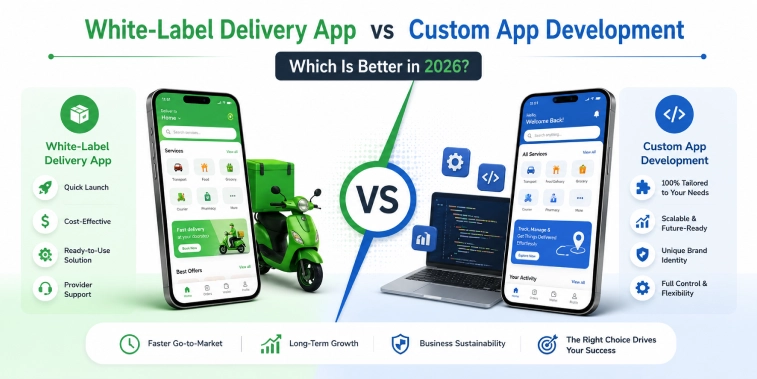
As the demand for delivery services continues to soar in 2026, businesses face a critical decision: to invest in a white-label delivery app or to embark on custom app development. Each option presents distinct advantages and challenges, making the choice pivotal for operational success and customer satisfaction. White-label solutions offer quick deployment and lower upfront costs, while custom development promises tailored features and greater flexibility. This article delves into the intricacies of both approaches, examining their cost implications, scalability, user experience, and the latest trends shaping the delivery app market. By the end, readers will be equipped to make an informed decision aligned with their business goals.
Understanding White-Label Delivery Apps
Definition and Functionality
White-label delivery apps are pre-built software solutions that businesses can brand as their own. Think of them as the fast food of the app world—quick, tasty, and ready to serve, sans the kitchen chaos. These apps come packed with essential features like user interface templates, payment integration, and tracking systems, allowing businesses to launch their delivery services without reinventing the wheel. It’s all about convenience and speed, giving companies the ability to hit the road running (or delivering).
Popular White-Label Solutions in 2026
As of 2026, the market is bursting with white-label delivery app options. Companies like Glovo and Uber Eats have adapted to offer white-label versions, while newer players like Swiggy and DoorDash have jumped on the bandwagon, providing customizable solutions that can be tweaked for branding. Plus, emerging startups are flooding the space with unique offerings—ideal for businesses wanting to dip their toes into the delivery pool without the risk of a belly flop.
Target Market and Usage Scenarios
White-label delivery apps cater to various businesses, from small restaurants to large retail chains looking to expand their reach without hefty investment costs. They’re perfect for those looking to set up shop quickly, whether you’re launching a food delivery service in a college town or a package delivery solution in a bustling urban area. If speed to market is your mantra, this is your jam!
The Advantages of Custom App Development
Tailored Features and Unique Functionality
Custom app development allows for a bespoke creation that can include all the features your specific business needs—and then some. Want a loyalty program that rewards customers for binge-ordering pizza on Friday nights? Sure! Need to integrate with that quirky inventory system your uncle invented? Why not! The beauty of custom apps is you can craft every pixel and function to serve your business’s unique flavor.
Integration with Existing Systems
Custom apps can seamlessly mesh with your existing software ecosystem. Whether it’s syncing with your e-commerce platform or communicating with your inventory management system, custom development means you won’t be left in the dark ages where data re-entry and manual processes rule. It’s like having your cake and eating it too—except the cake is perfectly baked to suit your taste.
Long-term Cost Benefits
While the upfront costs of custom app development can make your wallet cry a little, over time it can be a money-saver. By tailoring the app to your specific needs, you’ll reduce the need for ongoing adjustments and can prevent costly workarounds that come from trying to mold a white-label solution. Think of it as investing in a fine wine: it might cost more initially, but the return on investment (ROI) will mature wonderfully with time.
Cost Comparison: White-Label vs. Custom Solutions
Initial Investment and Upfront Costs
In the battle of wallets, white-label delivery apps often win the initial investment round. With lower upfront costs and ready-to-go functionality, businesses can save cash and start hustling right away. Custom development, on the other hand, requires a bigger initial outlay since you’re creating something from scratch. It’s like paying for a premium assembly line vs. assembling IKEA furniture yourself—one is cheaper but involves a lot more tears.
Maintenance and Update Costs
When it comes to maintenance, white-label solutions tend to require less TLC. Updates and bug fixes are generally covered by the provider, letting you kick back and sip coffee while someone else takes care of the heavy lifting. Custom apps, while exciting, can lead to higher maintenance costs since you’re on the hook for any future updates—especially if your app decides to throw a tantrum and demands attention.
Cost Over Time: ROI Analysis
In the long game, both options have their merits. White-label apps might save you money upfront, but custom apps can offer better ROI over time if developed and maintained properly. If you envision your delivery business growing like a weed and needing frequent updates and adjustments, investing in a custom app could pay off in spades. It’s pretty much like choosing between a quick snack or a hearty meal—you have to think about the long-term satisfaction versus the short-term gain.
Scalability and Flexibility: Which Option Reigns Supreme?
Adapting to Business Growth
When it comes to scalability, custom app development tends to take the crown. You can build it to grow with your business needs, reconfiguring features and functions as demand shifts. White-label solutions can scale too, but they often come with limitations; additional features might require upgrades that could cost extra. It’s like trying to stretch a pair of jeans versus tailoring a custom suit—only one option is designed to fit you perfectly over time.
Customization Options for Future Needs
Future-proofing your business is crucial, and this is where custom apps shine. With a tailored solution, you can adapt your app to incorporate the latest trends or features that pop up on the radar (hello, AI-powered order recommendations!). White-label solutions tend to be more rigid, offering a set menu of customization options. If a sudden craving for something new hits, you may find yourself left hungry for flexibility.
Limitations of Each Approach
That said, both options have their limitations. White-label apps might give you speed and ease of use, but you can run into challenges if you need to differentiate from competitors. Custom apps can be tailored to perfection but may come with extensive development timelines and high initial costs. It’s all about weighing the pros and cons carefully, like deciding between a fast-food burger or a handcrafted gourmet sandwich—both have their appeal, but context is key!## User Experience and Branding Considerations
Importance of UI/UX Design
In the world of delivery apps, user experience (UI/UX) is the holy grail. A well-designed app doesn’t just look pretty; it keeps users coming back for more. Think about it: if your app is as confusing as a Rubik’s Cube on a rollercoaster, users will ditch you faster than a cold pizza. Clear navigation, fast loading times, and engaging visuals are essential. So, whether you’re going for a white-label solution or a custom app, investing in UI/UX design is non-negotiable.
Branding Opportunities with Custom Apps
When you opt for custom app development, it’s like choosing to buy a bespoke suit instead of off-the-rack. You have the freedom to weave in your brand’s identity into every pixel. From unique color schemes to tailored features that resonate with your target audience, custom apps give you the opportunity to create a cohesive brand experience. It’s a chance to express your brand personality and distinguish yourself from the competition, because let’s be honest, nobody wants to be “just another delivery app.”
Generic Experience with White-Label Solutions
On the flip side, white-label delivery apps can sometimes feel like a fast-food meal—quick, convenient, and a bit bland. While they often come with core functionalities, many of these ready-to-roll solutions can leave users with a generic experience that lacks the personal touch. In an oversaturated market, this cookie-cutter approach can hinder your ability to stand out. If your app feels too much like your neighbor’s, don’t be surprised if users don’t engage.
Future Trends in Delivery App Development
Emerging Technologies Impacting Delivery Apps
As we glide into 2026, technology is on the fast track to redefine how delivery apps operate. From AI chatbots that respond to customer queries faster than you can say “delivery,” to drones zipping through the skies making deliveries, the possibilities are limitless. Enhanced data analytics will enable businesses to understand customer behavior in real-time, allowing for personalized experiences that feel downright futuristic.
Shifts in Consumer Preferences
Today’s consumers are evolving faster than fashion trends. They crave speed, convenience, and an experience that feels tailor-made for them. By 2026, it’s likely users will demand even more transparency, sustainability, and ethical practices from the brands they choose. Delivery apps that acknowledge these shifts and adapt their offerings accordingly will have a leg up. So, if you think your delivery app can coast on the status quo, you might want to think again!
Regulatory Changes and Their Implications
With great delivery power comes great responsibility. Governments worldwide are tightening regulations surrounding delivery services, particularly regarding safety, worker rights, and environmental impact. By 2026, any successful delivery app will need to navigate this new landscape adeptly, ensuring compliance while still innovating. Being well-versed in these regulations could make or break your app’s success in the coming years.
Case Studies: Success Stories of Each Approach
Success with White-Label Solutions
Take the story of “QuickDeliver,” a delivery service that leveraged a white-label solution to kickstart its operations. They managed to launch in record time and quickly gained traction by integrating local merchants into their platform. By focusing on targeted marketing and community engagement, they turned a generic app into a local favorite—proving that with the right strategy, white-label can be a winning formula.
Innovations through Custom Development
Then there’s “FastFleet,” a custom-developed app that took a unique approach by integrating real-time traffic data and predictive analytics to optimize deliveries. With a sleek design and user-friendly interface, they provided a fantastic experience that increased their user retention rates. Their success showcases how custom solutions allow for innovation that can set a brand apart in a crowded market.
Lessons Learned from Each Model
Both models illustrate valuable lessons. While white-label solutions can be a quick launchpad, they risk blending into the background if not paired with robust marketing and community engagement. Conversely, custom apps provide an opportunity for creativity and unique features but require more time and resources. The key takeaway? Each approach has strengths and weaknesses—understanding them could be the difference between success and mediocrity.
Making the Right Choice for Your Business in 2026
Assessing Business Goals and Needs
Before swinging the proverbial hammer, take a step back and assess your business goals and needs. Are you looking for a quick market entry or aiming for a long-term investment in brand identity? Knowing what you want will guide you in choosing the right app development approach.
Factors Influencing Your Decision
Consider your budget, timeline, and the level of customization you require. Is your market niche so unique that a ready-made solution simply won’t cut it? Or, are you just dipping your toes into the water and need something more basic to start? Weighing these factors against consumer expectations and technological advancements will refine your options.
Conclusion: Finding the Best Fit for Your Strategy
In the end, the best choice between a white-label delivery app and custom app development boils down to your business strategy. If you want to stand out and provide a unique user experience, a custom app may be worth the investment. However, if speed and getting to market quickly are your priority, a white-label solution could be your ideal companion. Either way, keeping an eye on trends and consumer preferences will ensure you’re not just following the herd but leading the pack.In conclusion, the choice between a white-label delivery app and custom app development hinges on your specific business needs, budget, and long-term goals. Both options have their merits, and understanding the differences can help you make a decision that aligns with your vision for growth and customer engagement. As the delivery landscape continues to evolve, selecting the right solution will not only enhance operational efficiency but also position your business for success in a competitive market.
Frequently Asked Questions (FAQs)
What is a white-label delivery app?
A white-label delivery app is a pre-built software solution that businesses can rebrand and customize to offer their own delivery services without the need to develop an app from scratch.
What are the main advantages of custom app development?
Custom app development allows businesses to tailor features specifically to their needs, integrate with existing systems, and create a unique user experience that aligns with their brand, potentially leading to a better return on investment over time.
How do I decide between a white-label app and a custom solution?
Consider factors such as your budget, time constraints, required features, and long-term business goals. If you need a quick and cost-effective solution, a white-label app may be suitable. If you desire unique functionality and scalability, custom development might be the better choice.
What are the ongoing costs associated with both options?
White-label apps typically have lower initial costs but may require ongoing subscription fees. Custom apps usually involve higher upfront development costs along with maintenance, updates, and potential scaling expenses over time.

Parth Kulkarni
Managing Director
Parth Kulkarni is the Managing Director with strong expertise in IT and on-demand app solutions, focused on empowering startups and enterprises with scalable digital products. His strategic leadership and business insight drive innovation, ensuring consistent client success and long-term growth.
