


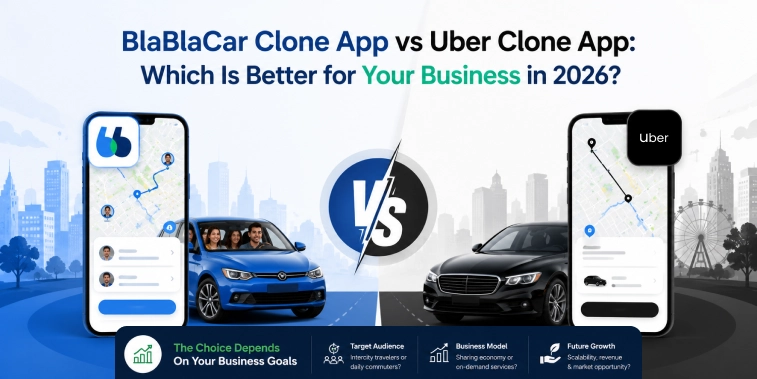
In the rapidly evolving landscape of transportation technology, choosing the right clone app for your business can be a pivotal decision. As we approach 2026, two prominent players in the ride-sharing sphere—BlaBlaCar and Uber—offer unique models that cater to different consumer needs and preferences. While BlaBlaCar focuses on cost-effective carpooling solutions, Uber emphasizes swift, on-demand ride-hailing services. Understanding the distinctions between these clone apps, along with market trends, key features, and monetization strategies, is crucial for entrepreneurs looking to invest in the future of mobility. This article aims to dissect the advantages and challenges of both BlaBlaCar and Uber clone apps, helping you determine which option aligns best with your business goals.
Overview of BlaBlaCar and Uber Clone Apps
Definition of Clone Apps
Clone apps are essentially identical digital doppelgangers of popular applications but tailored for individual business needs. Think of them as the “copy and paste” feature for the tech-savvy. They replicate the core functionalities and appeal of existing successful platforms—like BlaBlaCar and Uber—while allowing new entrepreneurs to enter the market with a slightly different twist. It’s like wearing the same outfit as the coolest kid in school but adding your own funky accessories!
Comparison of BlaBlaCar and Uber’s Business Models
BlaBlaCar and Uber may both operate in the realm of transportation, but they play it in wildly different leagues. Uber is your go-to for quick, on-demand rides that can get you from point A to B faster than you can say “traffic jam.” It’s all about individual convenience. BlaBlaCar, on the other hand, is the friendly neighborhood carpool service, connecting long-distance travelers willing to share the ride (and the fare) with one another. Think of BlaBlaCar as that amicable friend who insists on splitting the gas, while Uber is the one who’s just in it for the quick getaway.
Key Features of BlaBlaCar Clone Apps
Carpooling and Ride-Sharing Functionality
At the heart of BlaBlaCar clone apps lies the carpooling functionality. Users can post their travel plans and find fellow passengers willing to share the journey—and the costs. It’s like Tinder for travelers, minus the awkward small talk! The app also tends to include scheduling features, allowing users to coordinate rides based on preferences, making it as flexible as your weekend plans.
User Experience and Interface Design
A sleek and intuitive user interface can make or break an app. BlaBlaCar clones typically prioritize user experience, ensuring easy navigation and a visually pleasing design. After all, if users can’t figure out how to book a ride, they might just turn to the dark side (read: Uber). Clean aesthetics paired with clear calls to action make maneuvering the app a breeze, turning chaos into order—one ride at a time.
Integration of Social Features
BlaBlaCar clone apps often integrate social elements to enhance community interaction. Think user profiles, group chats, and even features allowing travelers to view potential ride-sharing buddies’ interests. This is the part where users can create a sense of camaraderie, bonding over shared playlists or travel stories. After all, nothing says “trust me, I’m a cool human” like a solid Spotify playlist!
Key Features of Uber Clone Apps
Ride-Hailing and On-Demand Services
Uber clone apps thrive on speed and efficiency, allowing users to hail rides at the tap of a button. Instant gratification? Yes, please! With just a few taps, passengers can summon rides from nearby drivers, ensuring they never have to wait long—unless it’s for a coffee order, and even then, that’s debatable. The goal here is to keep users happy, and a prompt ride usually does the trick!
Driver and Passenger Rating Systems
Reputation is everything in the world of ride-sharing. Uber clone apps incorporate ingenious rating systems that let both drivers and passengers evaluate each other. Think of it as a digital high-five or an “I-can’t-believe-you-didn’t-wear-a-seatbelt” moment. These ratings not only promote good behavior but also help build a trustworthy community, where bad apples are quickly sorted out—or, you know, uninstalled.
Advanced GPS and Navigation Features
What’s a ride-hailing app without a reliable map? Uber clone apps typically feature sophisticated GPS and navigation systems. Riders can track their driver’s location in real-time, while drivers receive optimized routes to make the quickest possible journey. Picture it as your personal travel assistant, always ensuring you’re not taking the scenic route unless you really want to—because who doesn’t love an unexpected detour?
Market Trends and User Preferences in 2026
Shifts in Consumer Behavior
By 2026, consumer behavior is expected to shift towards apps that offer convenience and flexibility. Users are becoming increasingly open to alternative transport solutions—thinking twice before jumping into their own cars. This means more people will be looking for services that cater to their schedules and social preferences. It’s all about “I want it, and I want it now” in a world driven by instant gratification!
Impact of Sustainability on Transportation Choices
Sustainability will undoubtedly play a crucial role in transportation decisions by 2026. As eco-consciousness rises, users will favor ride-sharing options that reduce their carbon footprints over solo rides in gas-guzzlers. Apps that can effectively market their environmental benefits, like reduced emissions from carpooling, may just find themselves at the front of the pack—because who doesn’t want to save the planet while saving a buck?
Emerging Technologies in Ride-Sharing
The landscape of ride-sharing will be transformed by emerging technologies. By 2026, we can expect improved integrations of AI for smarter route planning, autonomous vehicles, and perhaps even the inclusion of augmented reality for a more immersive experience when booking rides. The possibilities are endless—imagine an app that can predict your travel mood based on your music choices! Now that’s a ride we’d all want to hop on!
Cost Analysis: Development and Maintenance
Initial Development Costs
Developing a clone app can feel like shelling out cash for a fancy coffee machine—initially exciting but potentially draining on the wallet. For a BlaBlaCar clone, you might be looking at a starting budget of around $30,000 to $50,000, factoring in design, features, and a pinch of hard work. On the other hand, an Uber clone could cost upwards of $50,000, given its more complex features and the need for robust back-end systems. So, if you’re deciding between the two, consider whether you want to go the minimalist carpooling route or the full-on ride-hailing extravaganza.
Ongoing Maintenance and Updates
When it comes to maintenance, think of it as the monthly gym membership you can’t skip if you want to keep your app in top shape. Expect to shell out about 15-20% of your initial development costs annually for updates, bug fixes, and server upkeep. BlaBlaCar clones might slightly edge out Uber clones in this department, primarily due to the latter needing more frequent updates to handle a broader set of features and security demands. Be prepared for those gym fees—err, maintenance costs—to keep your app in tip-top shape!
Marketing and User Acquisition Expenses
Marketing your app is like throwing a party; you need to attract guests to enjoy the fun. Budgeting for marketing is crucial, and you might be looking at a hefty $10,000 to $100,000, depending on your strategy. BlaBlaCar clones can leverage word-of-mouth and local community engagement to keep costs down, while Uber clones often rely on splashy online ads and promotions to entice users. So, weigh your options—do you want a cozy neighborhood gathering or a full-blown bash?
Revenue Models: Monetization Strategies
Commission-Based Revenue Structures
Commission-based revenue is the bread-and-butter model for both BlaBlaCar and Uber clones. For BlaBlaCar, you might take a percentage of each ride booking, typically around 10-15%. Uber clones, however, often command a higher slice of the pie at 20-30%, thanks to their extensive service offerings. This model is popular because it aligns your earnings with user engagement—more rides equal more money in your pocket. Just don’t forget: with great commission power comes great responsibility to keep your users happy!
Subscription Models for Frequent Users
Subscription models are like Netflix for your ride-sharing app. They create a predictable revenue stream by offering users perks like discounted rides or priority bookings for a monthly fee. BlaBlaCar clones can tap into niche markets with subscription options for regular commuters, while Uber clones can offer tiered plans that come with snazzy benefits, catering to the more affluent user. With subscriptions, you’re not just banking on a one-time booking—you’re creating loyal fans who’ll stick around for a monthly binge!
Advertising Opportunities Within the App
Who doesn’t love a little ad revenue? Both BlaBlaCar and Uber clones can capitalize on advertising opportunities, whether it’s display ads or partnerships with local businesses. You could integrate ads subtly without annoying your users—think of it as the seasoning that enhances your favorite dish, rather than the whole pepper shaker dumped in. With the right partnerships and targeted ads, you could turn your app into a money-making machine while offering relevant deals to your users. It’s a win-win!
Case Studies: Successful Implementations
Successful BlaBlaCar Clone Examples
Several BlaBlaCar clone apps have found their groove in the ride-sharing market. For instance, apps like BlaBlaBus have capitalized on the shared travel model to connect people for longer journeys, proving that carpooling isn’t just for the daily commute. They’ve thrived by tapping into local markets and building trust among users through community engagement and user-friendly experiences. It’s a reminder that with the right approach, cloning can lead to innovative business strategies.
Successful Uber Clone Examples
When considering Uber clones, companies like Bolt and Lyft have taken the ride-hailing world by storm. They’ve successfully carved out their niches by offering unique features, competitive pricing, and an emphasis on safety and driver satisfaction. These success stories show that there’s plenty of room for creativity and differentiation, even in saturated markets. The key takeaway? Don’t just copy; innovate and adapt to your audience’s needs!
Lessons Learned from Failure Cases
Not every clone is destined for success—cue the collective gasp! Some apps have flopped due to poor market research, lack of a clear business plan, or just plain bad user experience. A notable failure was the millions spent on a clone that didn’t offer anything new and ran afoul of local regulations. The lesson here? Do your homework, understand your audience, and ensure you’re not merely digging a deeper hole with your clone app—no one wants to be that party guest who overstays their welcome!
Conclusion: Making the Right Choice for Your Business
Evaluating Business Goals and Market Needs
At the end of the day, choosing between a BlaBlaCar clone and an Uber clone depends on your business goals and target market. Are you looking to cater to local commuters or a broader audience? Do you want to build a community-driven platform or an extensive ride-hailing empire? Understanding these needs will help inform your decision, allowing you to choose the path that best aligns with your vision.
Future-Proofing Your App Choice
As the app landscape evolves, future-proofing your choice is essential. Consider factors like scalability, adaptability, and the potential for tech advancements over the next few years. Building a flexible app that can pivot with changing user demands will set you up for long-term success. Whether you go with a BlaBlaCar or Uber clone, remember: the world is your oyster, as long as you keep an eye on trends and user feedback!In conclusion, the decision between a BlaBlaCar clone app and an Uber clone app ultimately hinges on your specific business objectives, target market, and the features that resonate most with your audience. Both models offer distinct advantages and challenges that cater to different segments of the ride-sharing industry. By carefully evaluating the insights provided in this article, you can make a more informed choice that positions your business for success in the competitive landscape of 2026 and beyond.
Frequently Asked Questions (FAQs)
1. What are the main differences between BlaBlaCar and Uber clone apps?
The primary difference lies in their business models: BlaBlaCar focuses on carpooling and shared rides, offering a more economical option for longer journeys, whereas Uber is centered around on-demand ride-hailing services, ideal for quick and flexible transportation.
2. Which clone app offers better monetization opportunities?
Uber clone apps typically provide more diverse monetization strategies, including ride commissions, delivery services, and subscription models. In contrast, BlaBlaCar clone apps may rely more on a commission-based model for carpooling trips.
3. How do user preferences impact the choice between BlaBlaCar and Uber clone apps?
User preferences are influenced by factors such as cost, convenience, and the type of service desired. Those looking for budget-friendly, shared travel options may prefer BlaBlaCar, while users seeking immediate rides may gravitate towards Uber.
4. What are the key factors to consider when developing a clone app?
Important factors include understanding market demand, evaluating competitor features, assessing development and maintenance costs, and choosing a suitable monetization model that aligns with your target audience’s needs.

Parth Kulkarni
Managing Director
Parth Kulkarni is the Managing Director with strong expertise in IT and on-demand app solutions, focused on empowering startups and enterprises with scalable digital products. His strategic leadership and business insight drive innovation, ensuring consistent client success and long-term growth.
