

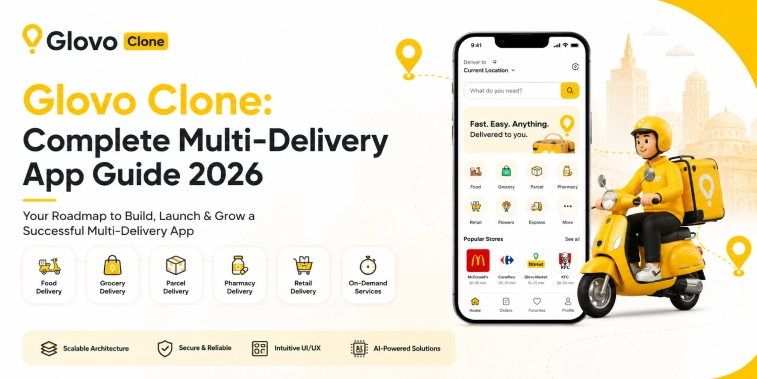
As the demand for on-demand delivery services continues to surge, creating a multi-delivery app like Glovo presents a lucrative opportunity for entrepreneurs in 2026. A Glovo clone not only capitalizes on the established business model but also allows for customization to meet the unique needs of various markets. This comprehensive guide aims to equip you with the essential knowledge and insights necessary to develop a successful delivery app, covering everything from key features and development processes to effective marketing strategies and legal considerations. Whether you’re a seasoned developer or a budding entrepreneur, this guide will serve as a roadmap to navigate the complexities of building a competitive multi-delivery platform in today’s dynamic environment.
Understanding the Glovo Clone Concept
What is a Glovo Clone?
A Glovo Clone is a ready-made solution that mimics the functionalities of the popular delivery app Glovo. Think of it as a fast-food version of app development—why reinvent the wheel when you can just order it with a side of fries? Essentially, it allows entrepreneurs to launch their own multi-delivery service for food, groceries, and more, without starting from scratch.
The Benefits of Using a Clone Script
Using a clone script is like having a cheat code for app development. You get a pre-built framework that saves time and money, while also minimizing risks associated with creating an app from the ground up. Plus, there’s the added charm of being able to customize it to fit your brand’s personality—because who doesn’t want a unique flair while delivering tacos at lightning speed?
Key Features of a Multi-Delivery App
User-Friendly Interface
In the fast-paced world of delivery apps, user experience is king. A clean, intuitive interface ensures that even tech novices can place an order without breaking into a nervous sweat. Think simple layouts, easy navigation, and vibrant graphics that make ordering feel as seamless as online shopping should be.
Real-Time Tracking and Notifications
Imagine anxiously waiting for your order and not having a clue about its whereabouts. Real-time tracking and notifications eliminate that suspense (thank goodness!). Users will receive updates on their delivery status, so they can know whether to pour another cup of coffee or if dinner is just around the corner. Transparency is key—no one likes a disappearing act!
Multiple Delivery Options
Flexibility is your best friend when it comes to delivery. Whether it’s food, groceries, or even that cute plant you just *had* to have, your app should cater to various delivery needs. The more options you provide, the happier your users will be—and a happy customer is a returning customer (potentially with a side of dessert).
Payment Gateway Integration
Let’s face it, if your payment process is more confusing than a Rubik’s Cube, users will abandon their carts faster than you can say “transaction declined.” Integrating reliable payment gateways that support a variety of methods—credit/debit cards, digital wallets, and even the occasional carrier pigeon—will make life easier for your customers and keep their wallets happy.
Market Analysis: Trends and Opportunities for 2026
Current Market Landscape
As of 2026, the multi-delivery app market is booming with more players than ever. With the rise in on-demand services, consumers are becoming increasingly fickle. They want variety, speed, and a sprinkle of personalized service. Understanding these dynamics is crucial for anyone looking to dive into this saturated yet flourishing market.
Emerging Competitors
New competitors are popping up like mushrooms after a rainstorm. Startups are innovating with niche services, eco-friendly delivery options, and unique customer engagement strategies. To stand out, it’s essential to keep an eye on the competition and find your unique selling proposition—because blending in is so last season.
Consumer Behavior Insights
An analysis of consumer behavior reveals that people are hungrier for convenience than ever before. And they have little patience for anything less than exceptional service. Trends indicate a growing demand for healthy food options, local products, and eco-conscious delivery practices. Understanding these preferences will position you ahead of the curve—and keep your users coming back for more.
Development Process: Building a Glovo Clone
Choosing the Right Technology Stack
Picking a tech stack is like choosing the right toppings for your pizza; it can make or break the experience. Opt for a combination of reliable programming languages, frameworks, and databases that will support seamless functionality and scalability as your app grows. Because, let’s be honest, nobody wants their app to crash while a user is craving that late-night snack.
Essential Third-Party Integrations
Integrating third-party services can elevate your app from “meh” to “wow!” Whether it’s adding GPS for real-time tracking, chat support for customer service, or analytics tools for insights, these integrations can streamline operations and enhance user experience. It’s like giving your app a superpower—who doesn’t want that?
Designing for User Experience
User experience design is where the magic happens. Prioritizing usability, accessibility, and aesthetics will make your app a joy to navigate. With a sprinkle of creativity and a dash of empathy, your design can turn a mundane task into a delightful experience, leaving users feeling happy and satisfied—even before their food arrives.
Testing and Quality Assurance
The development process doesn’t end with launching your app; it’s just the beginning! Rigorous testing and quality assurance are critical to ensure bugs and glitches don’t rain on your parade. Conduct thorough testing across various devices and platforms, and don’t forget to gather feedback—because a smooth-running app is key to keeping users satisfied and your ratings glowing.
Monetization Strategies for Delivery Apps
Subscription Models
Subscription models are like that comfy pair of sweatpants you never want to take off—everyone loves a good deal! By offering users a monthly or yearly subscription, you can provide perks such as free delivery, exclusive discounts, or priority service. It’s a win-win: customers save money, and you get a steady stream of revenue. Just make sure your offerings are enticing enough to make them want to hit that “subscribe” button.
Commission-Based Revenue
Commission-based revenue is the classic ‘cut of the pie’ approach. Every time a customer places an order through your app, you take a slice of the cake—typically anywhere from 10% to 30% depending on market rates and your agreements with service providers or restaurants. While this method can be profitable, be transparent about the fees to avoid scaring off potential partners who might think you’re trying to pull off a “doughnut hole” situation.
In-App Advertising
In-app advertising is like that extra topping on your pizza—sometimes it just takes your app to the next level! By allowing businesses to place ads within your app, you can generate additional revenue without charging users directly. Just be cautious; too many ads might overshadow the user experience, turning your app from a culinary delight into an overcrowded buffet. Aim for a balance!
Marketing Your Multi-Delivery App Effectively
Target Audience Identification
Knowing your target audience is like finding the perfect pair of socks—once you find them, life just seems a little warmer! Identify your user demographics, preferences, and behaviors. Tailoring your content and marketing strategies to meet their needs will ensure your app is more than just a short-term fling; it’ll be a lasting love affair!
Digital Marketing Strategies
When it comes to digital marketing, think of it as a treasure hunt. Use SEO, social media, content marketing, and email campaigns to lead potential users to the riches your app offers. Engaging content, bright visuals, and a sprinkle of humor can make your marketing stand out like a flamingo in a flock of pigeons. Don’t forget about influencer partnerships—everyone loves a recommendation from someone they admire!
Partnerships and Collaborations
Partnerships and collaborations can be the secret sauce to your delivery app success. Teaming up with local restaurants, stores, or even events can expand your reach and enhance your reputation. Think of it as assembling your very own superhero squad where each partner brings their own unique powers to the table. Plus, who doesn’t love a good win-win situation?
Legal and Regulatory Considerations
Licensing Requirements
Before you start delivering joy (and food) to your customers, you’ll need to navigate the licensing jungle. Each country and state has its own set of rules—some may require special permits for food delivery, while others might have specific business licenses. It’s like collecting Pokémon cards, but way less fun. Make sure you stay on top of these requirements to avoid legal headaches down the line.
Insurance and Liability Issues
Insurance in the delivery app business is as essential as a good nap after a big meal. Liability issues can arise faster than you can say “slip and fall,” so it’s crucial to have the right insurance to protect you, your customers, and your delivery personnel. Look into coverage options that can shield you from mishaps and give your users peace of mind—because nothing kills the vibe faster than a lawsuit!
Data Protection and Privacy Regulations
In the age of digital everything, data protection isn’t just a nice-to-have; it’s a must-have! With regulations like GDPR and CCPA, you’ll need to ensure that your app safeguards user data like it’s the crown jewels. Be transparent about how you collect, use, and store information. Users will appreciate your commitment to their privacy, and it’ll help build trust—because nobody wants their personal information to end up like last week’s leftovers!
Future Trends in the Delivery App Industry
Technological Advancements
The future of delivery apps is looking as bright as a neon sign on a Saturday night! Advances in technology like AI, machine learning, and autonomous delivery vehicles are set to revolutionize how orders are processed and delivered. Imagine an app that predicts what you want for dinner before you even know you’re hungry—if that doesn’t feel like magic, we don’t know what does!
Shifts in Consumer Preferences
As society evolves, so do the cravings of consumers. Expect to see a growing emphasis on convenience, speed, and customization. From healthier meal options to eco-friendly packaging, understanding what your audience wants will keep you ahead of the game. If you’re not in tune with their preferences, you run the risk of being as outdated as a flip phone in the age of smartphones.
Sustainability and Eco-Friendly Practices
Sustainability isn’t just a buzzword; it’s becoming a vital part of business strategy. Consumers are increasingly favoring companies that prioritize eco-friendly practices, from reducing emissions during delivery to using sustainable packaging. If you want to ride the green wave and appeal to a broad audience, embrace sustainability like it’s your favorite song—you’ll be humming along to success in no time!In conclusion, creating a Glovo clone as a multi-delivery app in 2026 offers immense potential for success in a rapidly evolving market. By understanding the key features, development processes, and effective marketing strategies outlined in this guide, you can position your app to thrive in a competitive landscape. As you embark on this journey, staying adaptable to emerging trends and consumer preferences will be crucial. With the right approach, your delivery app can not only meet the growing demands of customers but also set the stage for long-term growth and innovation in the delivery service industry.
Frequently Asked Questions (FAQs)
What is a Glovo clone, and how does it differ from the original Glovo app?
A Glovo clone is a replica or customizable version of the Glovo app that allows entrepreneurs to create their own on-demand delivery service. While it utilizes the same business model and features, it can be tailored to meet specific market needs and branding.
What are the essential features to include in a multi-delivery app?
Key features to include are a user-friendly interface, real-time tracking, multiple delivery options, payment gateway integration, and a robust admin dashboard for managing operations.
How can I market my multi-delivery app effectively?
Effective marketing strategies include identifying your target audience, leveraging digital marketing channels, utilizing social media, and forming partnerships with local businesses to enhance visibility and credibility.
What legal considerations should I be aware of when launching a delivery app?
Important legal considerations include obtaining necessary licenses, understanding insurance and liability requirements, and complying with data protection and privacy regulations relevant to your operating region.

Parth Kulkarni
Managing Director
Parth Kulkarni is the Managing Director with strong expertise in IT and on-demand app solutions, focused on empowering startups and enterprises with scalable digital products. His strategic leadership and business insight drive innovation, ensuring consistent client success and long-term growth.