


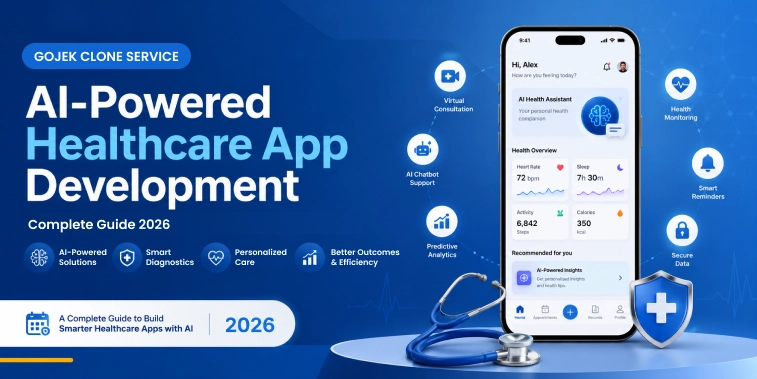
As the healthcare industry continues to evolve, artificial intelligence (AI) has emerged as a transformative force, significantly enhancing the way medical services are delivered and experienced. In 2026, the development of AI-powered healthcare applications is set to revolutionize patient care, streamline operations, and provide personalized experiences.
This complete guide aims to explore the essential components of creating effective AI-driven healthcare apps, from understanding current trends and key features to navigating regulatory landscapes and ensuring data privacy. Whether you are a developer, healthcare professional, or entrepreneur, this comprehensive resource will equip you with the knowledge needed to thrive in the rapidly advancing realm of AI in healthcare.
Understanding AI in Healthcare: Trends and Technologies
The Evolution of AI in Medicine
AI in medicine has come a long way from the days when “robot doctor” was just a sci-fi fantasy. Today’s AI is like that overachieving kid in school—constantly learning and improving. From diagnosis assistance and imaging analysis to chatbots that can prescribe your mom’s favorite old remedies, AI is revolutionizing how we understand and manage healthcare. The journey began with simple rule-based systems and has since evolved into complex machine learning algorithms, making waves in everything from drug discovery to personalized treatment approaches.
Current AI Technologies in Healthcare
We’re in an era where AI technology is not just a buzzword; it’s a game-changer. Current technologies include natural language processing (NLP) for understanding medical records, computer vision for analyzing medical images, and predictive analytics that help forecast patient deterioration. Machine learning models are crunching data faster than you can say “algorithm,” assisting in diagnosis and treatment recommendations with increasing accuracy. It’s like having a super-smart assistant who not only remembers everything but also suggests the best course of action.
Impact on Patient Outcomes
So, how does all this tech wizardry actually affect real-life patients? In a big way! AI-powered tools can enhance diagnostic accuracy, reduce human errors, and provide tailored treatment plans. For instance, predictive models can identify at-risk patients before conditions escalate, essentially giving healthcare providers a crystal ball. The result? Improved patient outcomes, higher satisfaction rates, and a healthcare experience that feels just a little less like an episode of “Grey’s Anatomy” and more like a well-oiled machine.
Key Features of AI-Powered Healthcare Apps
Personalized Medicine and Treatment Plans
Gone are the days of one-size-fits-all medicine! AI-powered healthcare apps can analyze a patient’s unique genetic makeup, lifestyle, and preferences to create personalized treatment plans. This tailored approach leads to better adherence and outcomes. It’s like getting a bespoke suit instead of shopping off the rack—everyone feels a little better in something that fits just right!
Predictive Analytics for Better Decision Making
Imagine having a crystal ball that could give you insights into patient health trends. Predictive analytics uses historical data to forecast future outcomes, empowering healthcare providers to make informed decisions. Whether it’s predicting who might need a follow-up or identifying potential health risks, this feature essentially allows healthcare professionals to stay one step ahead, making decisions that can save lives.
Remote Patient Monitoring and Telehealth
With the rise of remote patient monitoring, your doctors can now keep an eye on you without having to look over your shoulder at every appointment. Telehealth features integrate seamlessly into apps, allowing physicians to consult with patients in real time, monitor chronic conditions, and respond to emergencies—all from the comfort of their couch. And let’s be honest, who wouldn’t want to wear pajamas during a check-up?
Integration with Wearable Devices
Wearable devices are like the trusty sidekicks of healthcare apps! Whether it’s tracking heart rates, sleep patterns, or even your hydration levels, wearables provide a wealth of real-time data that can be incredibly useful. Integrating this data into AI-powered healthcare apps helps to create a holistic view of a patient’s health and can facilitate quicker responses to any concerning trends. Plus, it’s a great excuse to geek out over your latest fitness tracker!
Development Process: From Concept to Launch
Defining the App’s Purpose and Target Audience
Before you dive headfirst into app development, it’s crucial to define what problem you’re solving and for whom. Are you targeting healthcare providers looking for efficiency or patients seeking better care? By clearly identifying your app’s purpose and target audience, you can tailor your features and functionalities accordingly, ensuring that your app doesn’t just exist but thrives!
Choosing the Right Technology Stack
Picking the right technology stack is like choosing the right ingredients for a recipe; the wrong choices can lead to disastrous results. You’ll want to consider factors like scalability, security, and integration capabilities. This decision will directly affect your app’s performance and user experience, so choose wisely and don’t be afraid to consult with tech experts—no shame in asking for help!
Prototyping and User Testing
It’s prototype time! Create a minimum viable product (MVP) and let real users test it out. This phase is all about gathering feedback, refining features, and making adjustments. Think of it as a dress rehearsal—nothing beats the real thing when it comes to finding out what works and what needs a bit more polish. Plus, user feedback can be invaluable for avoiding potential pitfalls in your final version.
Deployment Strategies and Launching the App
Once your app is prepped and polished, it’s time for the big reveal! Develop a comprehensive deployment strategy, which might include phased rollouts, partnership opportunities, or launching with a splashy marketing campaign. Remember, launching an app isn’t just hitting a button; it’s about creating buzz and making sure your app gets the attention it deserves in a crowded marketplace. And then, celebrate your hard work—after all, you’ve earned it!
Data Privacy and Security in Healthcare Applications
Understanding HIPAA and Other Regulations
Navigating the legal landscape of healthcare apps could feel like trying to decipher a foreign language. Understanding HIPAA (Health Insurance Portability and Accountability Act) is crucial—basically, it’s the law that keeps patient information confidential and secure. Get familiar with other regulations too, as compliance isn’t just a good idea; it’s a necessity!
Implementing Robust Data Security Measures
Your healthcare app will handle a treasure trove of sensitive data, so it’s critical to implement strong security measures. This includes everything from encryption and secure data storage to regular vulnerability assessments. Think of it as fortifying your castle—once the dragons (a.k.a. hackers) show up, it’s too late to build the walls!
Best Practices for Data Encryption
When it comes to data encryption, think of it as creating an impenetrable vault for your users’ private information. Use strong encryption protocols to ensure that data is secure both in transit and at rest. Regularly update your encryption methods to keep pace with evolving threats, and remember, if someone asks for your encryption key, make sure they’re not a dragon in disguise!
User Experience (UX) Design for Healthcare Apps
Creating Intuitive Interfaces
When it comes to healthcare apps, user experience is key—after all, no one wants to decipher the Da Vinci Code just to book an appointment. Start with a clean, uncluttered layout that leads users naturally to their goals, whether it’s accessing health records or scheduling a telehealth visit. Use familiar icons and flow patterns that mimic everyday apps, because while you might be a healthcare wizard, your users should feel like they’re just browsing their favorite online store.
Accessibility Considerations
In a world where inclusivity is paramount, ensuring your app is accessible to everyone is not just nice—it’s necessary. This means incorporating features for users with disabilities, such as voice navigation for those with visual impairments or easy font size adjustments for anyone who struggles to read. Prioritize universal design principles and make your app usable for all, because healthcare should be a right, not a privilege—regardless of who’s tapping the screen.
Gathering User Feedback for Continuous Improvement
Feedback is the breakfast of champions—or in app development, the breakfast of continued success! Implement in-app surveys and usage analytics to gather insights on how users are interacting with your app. The feedback loop shouldn’t feel like a chore; gamify it if you have to! Use this information not just to fix bugs, but to enhance features and streamline navigation. Make your users feel like they’re part of the development journey, and they just might stick around for second breakfast.
Integrating AI Algorithms and Machine Learning Models
Selecting the Right Algorithms for Your App
Choosing the right AI algorithms is like picking the right toppings for your pizza—too many can overwhelm, too few can leave you unsatisfied. Analyze your app’s specific needs: Do you want to predict patient outcomes, provide personalized recommendations, or automate administrative tasks? Once you’ve nailed down the goals, dive into the world of supervised, unsupervised, or reinforcement learning models. Remember, not every model will fit every situation, so don’t fall for the latest trend just because it’s shiny.
Training and Testing Machine Learning Models
Training your machine learning models is akin to sending your kid off to summer camp; they need time, attention, and a bit of trial and error. Use a diverse dataset to ensure your models can handle various scenarios and users. Once you’ve trained them well, it’s testing time: run simulations, compare outputs, and don’t shy away from making adjustments based on performance. Remember, a well-trained model is a happy model, and happy models lead to satisfied users.
Real-World Applications of AI Models
AI isn’t just a buzzword; it’s revolutionizing healthcare one app at a time. Picture chatbots that provide instant medical advice, predictive algorithms that anticipate health issues before they become serious, or personalized health management plans that evolve as users provide more data. These applications are already improving patient outcomes and streamlining healthcare processes. Stay ahead of the curve by exploring these real-world uses and figuring out how your app can join the AI revolution.
Regulatory Considerations and Compliance
Understanding Global Healthcare Regulations
Diving into healthcare app development? Buckle up for a wild ride through regulatory territory! Different countries have specific guidelines, ranging from HIPAA in the U.S. to GDPR in Europe. Familiarize yourself with these regulations early on, because the last thing you want is for your brilliant app to be stuck in a legal quagmire. Compliance isn’t just a box to check; it’s foundational to building trust with users and healthcare professionals alike.
Navigating FDA Approval for Medical Apps
Thinking about getting your app FDA-approved? You’ll need to roll up your sleeves and prepare for some paperwork. The FDA categorizes apps into three classes based on their risk levels, each with its own requirements. Just remember, it’s not as daunting as it sounds. Start by demonstrating how your app improves patient safety and care, and be ready to provide thorough clinical data. While the approval process might feel like an obstacle course, crossing the finish line is worth it.
Maintaining Compliance Post-Launch
Congratulations, your app is live—and your compliance work isn’t over yet! Keeping your app compliant post-launch is crucial, especially as regulations evolve and user data grows. Regularly audit your app for data protection, privacy policies, and user consent protocols. It’s also wise to stay informed about changes in legislation. Think of it as ongoing maintenance, like changing the oil in your car; ignore it at your peril!
Future Trends in AI Healthcare App Development
Emerging Technologies on the Horizon
As we peer into the crystal ball, what’s bubbling up in the world of healthcare apps? Expect to see advancements in wearables that seamlessly integrate with apps, virtual reality for patient education, and blockchain for secure health records. Technologies like these will not only enhance user experiences but also ensure that healthcare becomes more proactive and personalized. So, keep your innovation cap on tight; the future is coming fast!
The Role of AI in Precision Medicine
AI is set to take precision medicine to the next level, tailoring treatments to individual patients based on genetics, lifestyles, and preferences. Imagine algorithms that analyze a patient’s unique health data and suggest personalized treatment plans, all while learning and adapting to new information. This isn’t science fiction; it’s the future of healthcare, where no two treatment plans will be alike—just like no two pizza toppings should ever be the same.
Predictions for the Next Decade in Healthcare Apps
Fast forward a decade: what does the future hold? Expect to see an explosion of AI-driven telehealth solutions, robotic surgery augmented by real-time analysis, and mental health apps that use AI to provide personalized support. The aim? Making healthcare more efficient, effective, and accessible for everyone. As trends evolve, be ready to adapt and innovate—after all, the best healthcare apps are those that don’t just keep up but leap ahead of the game.
In conclusion, the integration of AI in healthcare app development presents immense opportunities for enhancing patient care and operational efficiency. By understanding the key components outlined in this guide, developers and healthcare professionals can create innovative solutions that meet the evolving needs of the industry. As technology continues to advance, staying informed and adaptable will be crucial in harnessing the full potential of AI in healthcare, ultimately leading to improved outcomes for patients worldwide.
Frequently Asked Questions (FAQs)
What are the main benefits of AI-powered healthcare apps?
AI-powered healthcare apps offer numerous benefits, including personalized treatment plans, improved patient engagement, enhanced data analysis for better decision-making, and efficient remote monitoring of patients. These features contribute to higher quality care and better health outcomes.
How can developers ensure data privacy in healthcare apps?
Developers can ensure data privacy by implementing strong encryption methods, adhering to regulations such as HIPAA, conducting regular security audits, and utilizing secure cloud services for data storage. It’s also essential to educate users on data security practices.
What are the regulatory challenges in developing healthcare apps?
Regulatory challenges include navigating compliance with healthcare laws, obtaining necessary approvals from agencies like the FDA, and ensuring that the app meets all security and privacy standards. Staying updated on regulations and engaging with legal experts can help mitigate these challenges.
What future trends should we expect in AI healthcare app development?
Future trends may include advancements in natural language processing for better patient interaction, the use of AI for predictive analytics in treatment outcomes, and the integration of blockchain technology for enhanced data security and interoperability among healthcare systems.

Parth Kulkarni
Managing Director
Parth Kulkarni is the Managing Director with strong expertise in IT and on-demand app solutions, focused on empowering startups and enterprises with scalable digital products. His strategic leadership and business insight drive innovation, ensuring consistent client success and long-term growth.
