


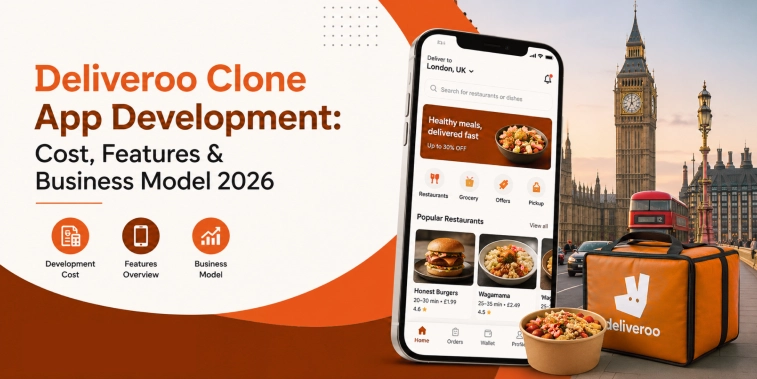
In recent years, the demand for food delivery services has skyrocketed, making it an attractive industry for entrepreneurs and developers alike. As consumers increasingly seek convenience, apps that mimic the functionality of popular platforms like Deliveroo have gained traction, leading to the rise of Deliveroo clone apps. This article delves into the essential aspects of developing a Deliveroo clone app in 2026, exploring the key features, cost considerations, and various business models that can drive success in this competitive market. By understanding the landscape of food delivery apps and implementing effective strategies, aspiring developers can position themselves for success in this lucrative field.
Overview of Deliveroo Clone Apps
What is a Deliveroo Clone App?
A Deliveroo Clone App is essentially a digital doppelgänger of the popular food delivery service, Deliveroo. It mimics the core features and functionalities of the original platform, allowing entrepreneurs to launch their own food delivery service without starting from scratch. Think of it as the fast-food version of app development—quick, efficient, and a little customizable, just like your favorite burger order.
Market Demand for Food Delivery Solutions
In our increasingly busy lives, the demand for food delivery solutions has skyrocketed like a soufflé in a hot oven. Whether it’s a Friday night pizza binge or a healthy salad for the ‘not-so-healthy’ eater, consumers are embracing the convenience of having food delivered right to their doorsteps. By 2026, the market is projected to be worth billions, driven by millennials and Gen Z’s love for seamless online experiences. So, if you’ve been contemplating jumping onto this piping hot bandwagon, now’s the time!
Key Features of a Deliveroo Clone App
User-Friendly Interface
The first rule of app club: it must be easy to navigate! A user-friendly interface ensures that even your technologically challenged Aunt Edna can order her favorite curry without needing a degree in computer science. Clean design and intuitive navigation keep users happy and hungry for more.
Real-Time Order Tracking
Gone are the days of ordering food and staring at the clock like a hawk. Real-time order tracking allows users to follow their food’s journey from the restaurant to their doorstep. It’s like GPS for your pizza—because we all want to know exactly when that cheesy goodness will arrive.
Multiple Payment Options
With the rise of digital wallets and contactless payments, offering multiple payment options is a no-brainer. Users should be able to pay through credit cards, debit cards, PayPal, and even the latest trendy payment app. Flexibility is key—because, sometimes, you just want to pay for that midnight snack the same way you pay for your beans on toast.
Rating and Review System
Who doesn’t love a good review? A robust rating and review system allows users to share their thoughts on meals and delivery experiences. This feature helps build trust and community while ensuring that only the best local restaurants are featured—keeping everyone happy (and fed)!
Admin Panel Features
Behind every successful app is a powerful admin panel. This feature allows operators to manage everything from restaurant listings and order management to user analytics and promotions. It’s the command center for keeping everything running smoothly, just like a well-managed kitchen.
Cost Breakdown for Developing a Deliveroo Clone
Factors Influencing Development Costs
Development costs can vary wildly based on a few key factors: the complexity of features, the platform you choose (iOS, Android, or both), and whether you go for a custom build or opt for a white-label solution (the fast food approach). Remember, you pay for what you get—so it’s essential to balance features with budget for a tasty result.
Development Team Costs
The cost of your development team can be the cherry on top—or a rather nasty surprise. Freelancers can be budget-friendly, but an established development agency might serve up better quality and long-term partnership. Depending on the location, the price can range from a few thousand dollars to tens of thousands. So, do your homework and shop wisely!
Ongoing Maintenance and Updates
Good apps need love too. Ongoing maintenance and updates ensure that your app stays relevant and runs smoothly. Budgeting for this is crucial; you’ll want to set aside funds for bug fixes, feature enhancements, and, of course, keeping up with tech trends that emerge faster than a food delivery app can crash on a Friday night.
Business Models for Deliveroo Clone Apps
Commission-Based Model
The commission-based model is like a fine dining experience where you take a cut from restaurant sales. Each time a customer orders through your app, you earn a percentage. This model aligns your success with that of the restaurants, making it a win-win for everyone involved (except maybe your competitors).
Subscription-Based Model
Why not create a loyal customer base? The subscription-based model lets users pay a monthly fee for unlimited deliveries or discounts. It’s like an all-you-can-eat buffet for your wallet—encouraging customers to keep ordering while providing you with a steady income stream. Just make sure to offer some sweet perks to keep them coming back!
Freemium Model
In the freemium model, users get basic features for free but can upgrade to premium features for a fee. Think of it as the appetizer before the main course; you get a taste of what’s on offer, and if you like it, you’ll fork over some cash for the good stuff. This model can attract a large user base while generating revenue through upselling features or services.
Market Trends and Future Projections for Food Delivery Apps
Technological Advancements
The food delivery landscape is evolving quicker than you can say “extra guac, please!” With innovations like drone deliveries (yes, your burrito may soon arrive via a flying saucer) and AI-driven order predictions, expect user experiences to become smoother than a well-blended smoothie. Tech integrations, such as contactless payments and real-time tracking, will make ordering food not just convenient but also fun. So, buckle up—it’s going to be a bumpy ride on the tech express!
Consumer Behavior Changes
With the pandemic having thrown a wrench in the machine, consumer habits have shifted like hotcakes! People are now more inclined to explore diverse cuisines from the comfort of their homes, creating a surge in demand for delivery services. Health-conscious options and sustainability are also on consumers’ radar, as they seek greener, healthier choices. In a nutshell, the foodies of 2026 are more adventurous and choosy—so better start perfecting that plant-based dumpling recipe!
Steps to Develop a Successful Deliveroo Clone App
Market Research and Analysis
Before diving headfirst into your Deliveroo clone app, whip out your magnifying glass and delve into some serious market research. Analyze your competitors, identify your target audience, and uncover trends in the food delivery industry. This step isn’t just a formality; it’s your treasure map to success, guiding your strategy to avoid the pitfalls and treasure the opportunities.
Defining Your Unique Selling Proposition (USP)
To stand out, you need more than just a snazzy app name and a logo that looks like it was designed on a coffee break. Pinpoint what makes your app unique—be it lightning-fast delivery, gourmet meal options, or an eco-friendly approach. Your USP is your calling card in this competitive landscape, so make it memorable! Remember, no one wants to be just another “me too” in a world full of “wow!”
Choosing the Right Technology Stack
Now that you’re armed with insights and a stellar USP, it’s time to choose your technology stack. Your best pals here are the right programming languages, frameworks, and tools that’ll bring your app to life. Think scalability, performance, and security. It’s like picking your food delivery squad: you want the team that can handle the heat and deliver the goods on time—without the drama!
Testing and Launching the App
Once your app is ready to hit the stage, don’t forget the dress rehearsal—testing! Rigorous testing ensures that any bugs are squashed before your grand launch. Gather feedback from beta users, tweak the app, and get it ready for prime time. Launch is where the magic happens, so make it a spectacle—everyone loves a good opening night, especially when there’s food involved!
Marketing Strategies for Your Clone App
Utilizing Social Media Marketing
Social media isn’t just for scrolling through cat memes; it’s a powerful tool for your marketing arsenal! Use platforms like Instagram and TikTok to showcase mouthwatering visuals of your food offerings. Engaging content, influencer partnerships, and interactive campaigns will have people buzzing about your app faster than they can say “hashtag food porn.”
Search Engine Optimization (SEO) Techniques
Want your app to pop up faster than a pizza delivery on a Friday night? Invest in SEO. Optimize your app’s website with relevant keywords, quality content, and user-friendly navigation. This ensures potential customers find you before they even think about scrolling past the food competition. With solid SEO practices, you can turn your app into the top dog in search results!
Partnerships with Local Restaurants
Collaboration is key! Forge partnerships with local restaurants to tantalize taste buds while boosting your credibility. Offering exclusive deals or promotions with local favorites can drive traffic to your app. Plus, everyone loves a good food story—so highlight local eateries in your marketing, making your app a community favorite faster than you can say “local ingredients!”
Conclusion: Making Informed Decisions for App Development
Recap of Key Considerations
In a nutshell, developing a Deliveroo clone app requires several key considerations: thorough market research, a solid USP, cutting-edge technology, rigorous testing, and strategic marketing. Keep your customers’ evolving preferences in sight and adapt accordingly to ensure your app stays relevant and inviting!
Final Thoughts on Future Opportunities
The future of food delivery is as spicy as a well-seasoned curry, brimming with opportunities. With technology on your side and consumer preferences evolving, there’s never been a better time to jump into app development. So, pack your bags for this adventure, and don’t forget to savor the journey—after all, it’s not just about the destination, but the delicious bites along the way!In conclusion, developing a Deliveroo clone app presents a promising opportunity for entrepreneurs looking to enter the fast-evolving food delivery market. By carefully considering the essential features, understanding the cost implications, and selecting a suitable business model, developers can create a competitive app that meets the growing consumer demand. As technology and consumer preferences continue to evolve, staying adaptable and innovative will be key to thriving in this dynamic industry.
Frequently Asked Questions (FAQs)
What is a Deliveroo clone app?
A Deliveroo clone app is a food delivery application that replicates the core functionalities of Deliveroo, allowing users to order food from local restaurants and receive it at their doorstep.
How much does it cost to develop a Deliveroo clone app?
The cost of developing a Deliveroo clone app can vary significantly based on factors such as the complexity of features, technology stack, and the development team’s location. On average, it can range from $20,000 to $150,000.
What features should be included in a Deliveroo clone app?
Essential features typically include a user-friendly interface, real-time order tracking, multiple payment options, a rating and review system, and an intuitive admin panel for restaurant management.
What business models can be used for a Deliveroo clone app?
Common business models include commission-based, subscription-based, and freemium models, each offering different revenue opportunities based on user engagement and restaurant partnerships.

Parth Kulkarni
Managing Director
Parth Kulkarni is the Managing Director with strong expertise in IT and on-demand app solutions, focused on empowering startups and enterprises with scalable digital products. His strategic leadership and business insight drive innovation, ensuring consistent client success and long-term growth.
