


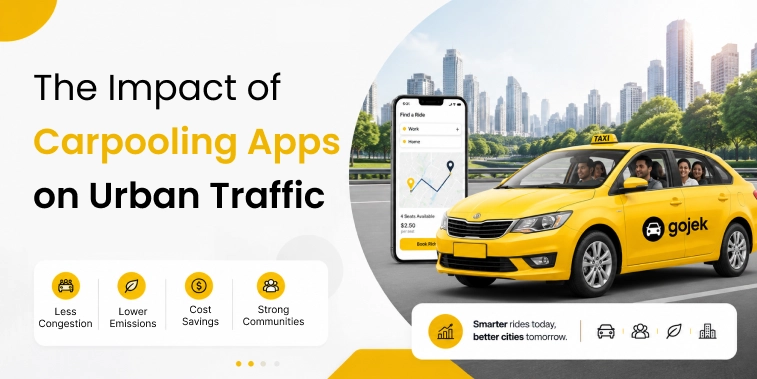
As urban populations continue to swell, cities around the globe are grappling with the challenges of traffic congestion, pollution, and limited public transportation options. In response to these issues, carpooling apps have emerged as a promising solution, offering commuters a convenient and cost-effective way to share rides and reduce the number of vehicles on the road. These innovative platforms not only provide users with practical benefits but also contribute to environmental sustainability by decreasing carbon emissions and alleviating traffic woes. This article explores the multifaceted impact of carpooling apps on urban traffic, examining their advantages, challenges, case studies of successful implementations, and future trends that could shape urban mobility in the years to come.
Introduction to Carpooling Apps and Urban Traffic
Definition of Carpooling Apps
Carpooling apps are nifty digital platforms that connect drivers with passengers looking to share rides. Think of them as the matchmaking service for commuters, where instead of love, you’re finding a ride and, maybe, a friendly chat along the way. By utilizing these apps, folks can split the costs of fuel and tolls while also reducing the number of cars on the road. Win-win!
Historical Context of Carpooling in Urban Areas
Carpooling isn’t exactly the new kid on the block. It has roots dating back to the 1970s fuel crises, when people began to huddle together in cars to save money and gas. Fast forward to the age of smartphones and social media, and suddenly, this age-old practice got a high-tech makeover. Urban dwellers, faced with maddening traffic congestion and sky-high parking fees, found relief in the form of carpooling apps that made it easier than ever to team up and tackle the daily commute.
Overview of Popular Carpooling Apps
Leading Apps in the Market
In a world where everyone wants to be the coolest kid on the block, a few carpooling apps have emerged as frontrunners. Apps like BlaBlaCar, Waze Carpool, and Lyft Line have captured the hearts (and rides) of commuters everywhere. Each offers unique features that cater to different needs, but they all share the common goal of easing urban traffic woes.
Features and Functionality Comparison
Let’s break down the features, shall we? BlaBlaCar is like the social butterfly of carpooling apps, boasting long-distance travel options and a robust rating system for both drivers and passengers. Waze Carpool, on the other hand, takes advantage of real-time traffic data to help users save time on their daily journeys. Meanwhile, Lyft Line provides the friendly service of a rideshare app but with a carpool twist, allowing users to snag a ride with other passengers heading in the same direction. Each app has its perks, so commuters can pick what best suits their style—whether they want to socialize or just zip along quietly.
Benefits of Carpooling for Urban Commuters
Cost Savings for Users
Let’s be honest: who doesn’t love saving a few bucks? Carpooling apps allow commuters to share costs for gas, tolls, and even pesky parking fees, making that monthly budget a little less daunting. The split expenses mean more money for coffee—or, you know, actual savings for that dream vacation you’ve been putting off.
Time Efficiency and Reduced Travel Times
While we can’t promise you’ll magically transform into a time traveler, carpooling can certainly help you dodge some traffic. By sharing rides with others who are heading in the same direction, users can access carpool lanes and potentially shave off those frustrating minutes spent in gridlock. It’s like having a secret cheat code for commuting!
Improved Social Interaction Among Commuters
Let’s face it, commuting can feel a bit lonely, right? Carpooling apps open up a realm of social interaction that makes the daily grind a little more bearable. Whether it’s sharing stories, discovering a new podcast, or simply enjoying the company of a fellow commuter, carpooling can transform that solitary drive into a chance to connect with others. Because sometimes, friendship is just a back seat away!
Environmental Impact of Reduced Traffic Congestion
Decreased Carbon Footprint
Less congestion equals less carbon dioxide soaring into our precious atmosphere. By getting more people into fewer cars, carpooling apps help reduce the overall carbon footprint. It’s a huge step in combating climate change—plus, you get to feel like a hero every time you share a ride. Capes not included!
Reduction in Urban Noise Pollution
Bye-bye, honking horns and revving engines! Fewer cars on the road mean a significant drop in noise pollution levels in urban areas. Less traffic means a more serene city environment where you can hear the birds chirping—or at least the coffee shop jazz you love.
Impact on Public Transportation Systems
Carpooling apps can be the best buddy to public transportation systems, helping to ease overcrowding during peak hours. With more commuters choosing to share rides, buses and trains can operate more efficiently, making public transport a more appealing option overall. It’s a symbiotic relationship that can ultimately lead to a more balanced and sustainable urban transport ecosystem.
Case Studies: Successful Implementation of Carpooling Apps
City-Wise Analysis: Where Carpooling Thrives
Carpooling apps have found their sweet spot in cities that embrace flexible commuting. Take San Francisco, for instance—where tech-savvy residents use their smartphones as easily as they swipe left on dating apps. The city’s high density and traffic congestion make carpooling not just a choice, but a necessity. Similarly, cities like Amsterdam and Seoul have effectively integrated carpooling into their transportation networks, turning rush hours into a collaborative experience. It’s like a ride-sharing party, minus the party hats.
Quantitative Results from Case Studies
Numbers don’t lie, and they’re proving that carpooling apps can seriously reduce traffic. In Los Angeles, a noteworthy pilot program showed a 15% decrease in car trips during peak hours when just 1,000 users participated. And let’s not forget about carbon emissions—New York City reported a staggering 20% drop in CO2 emissions from carpooling initiatives. If that’s not enough to make you consider sharing your ride, I don’t know what is!
Challenges and Limitations of Carpooling Solutions
Regulatory and Legal Barriers
While carpooling apps promise traffic relief, red tape often crisscrosses their highways. Many cities have regulations that complicate the legality of ride-sharing arrangements. Licensing issues, insurance requirements, and zoning laws can make it feel like navigating a legal maze. If you’ve ever tried finding parking in a crowded city, you know how frustrating it is to deal with barriers that seem to pop up out of nowhere.
User Adoption and Behavioral Challenges
Getting people to embrace carpooling is like convincing a cat to take a bath—tricky. Many people harbor a ‘my car, my rules’ mentality, and the thought of sharing a ride can feel like sharing their dessert. Behavioral inertia plays a huge role; it can be tough to break the routine of solo driving, even when the benefits are clear. We need to tap into the human desire for connection and convince folks that riding together can be both practical and fun!
Safety and Trust Issues in Carpooling
Let’s be honest, trust is a biggie in the world of carpooling. Passengers want to feel safe as they hop into a stranger’s car (and not just because they’re optimistic about their navigation skills). Concerns about safety can deter potential users, who worry about everything from unruly drivers to questionable passengers. Apps need to establish rigorous vetting processes and safety features to help users feel a sense of security. It’s all about making carpooling feel less like a gamble and more like a friendly lift.
Future Trends in Carpooling Technology
Integration with Autonomous Vehicles
Imagine a world where you summon an autonomous vehicle that not only drives you to your destination but picks up other passengers along the way. Carpooling and self-driving technology are destined to be BFFs. This integration could minimize the number of cars on the road, reduce traffic, and make our lives a whole lot easier. Though it raises some questions—like, who controls the tunes on the ride?
Impact of AI and Data Analytics
Artificial Intelligence is set to be the secret sauce in optimizing carpooling. Data analytics will allow apps to match riders more efficiently, predict traffic patterns, and optimize routes. Imagine an app that knows the best time to bring together a literature professor and a tech entrepreneur based on their shared interests and preferred routes. The future of carpooling isn’t just about sharing a ride; it’s about sharing experiences, all thanks to the power of AI.
Shifts in Urban Mobility Policies
Cities are waking up to the urgent need for sustainable transportation, and that’s where carpooling can play a pivotal role. Urban mobility policies are beginning to embrace carpooling as a legitimate solution to reduce congestion and pollution. Expect more incentives for users, curb-space management for shared vehicles, and educational campaigns to highlight the benefits. It’s time for city planners to roll out the welcome mat for carpooling!
Conclusion: The Long-Term Effects of Carpooling Apps on Urban Mobility
Summary of Key Findings
The evidence is clear—carpooling apps are transforming urban mobility for the better. By encouraging shared rides and reducing the number of cars on the road, these apps help to alleviate traffic and lower emissions. Case studies show that when cities support and integrate carpooling, everyone wins. Whether it’s the economic savings for users or the environmental benefits for the planet, the impact is undeniably positive.
Final Thoughts on the Future of Urban Transportation
As we hurtle toward a future filled with innovative technologies, carpooling is poised to become a cornerstone of urban transportation. With the integration of AI, autonomous vehicles, and supportive policies, we can anticipate a world where shared rides become the norm rather than the exception. So buckle up, folks! The road ahead is looking bright, green, and full of potential for collaborative commuting.
In conclusion, carpooling apps represent a significant advancement in addressing urban traffic challenges. By facilitating ride-sharing, these platforms not only offer economic and social benefits to commuters but also play a crucial role in promoting environmental sustainability. While there are still obstacles to overcome, the potential for carpooling apps to transform urban mobility is immense. As cities continue to evolve, embracing these technological innovations will be essential for creating more efficient and livable urban environments.
Frequently Asked Questions (FAQs)
What are the main benefits of using carpooling apps?
Carpooling apps provide several advantages, including cost savings on fuel and parking, reduced travel times due to fewer cars on the road, and the opportunity for social interaction among commuters. Additionally, they contribute to lower carbon emissions, benefiting the environment.
How do carpooling apps ensure safety for users?
Most carpooling apps implement safety features such as user ratings and reviews, background checks for drivers, and in-app communication to foster trust. Many also offer insurance coverage for users, providing an added layer of security during rides.
Are carpooling apps effective in reducing traffic congestion?
Yes, studies have shown that carpooling apps can significantly reduce the number of vehicles on the road, leading to decreased traffic congestion. By promoting ride-sharing, these apps encourage more efficient use of existing road infrastructure.
What challenges do carpooling apps face in urban areas?
Carpooling apps encounter various challenges, including regulatory restrictions, user adoption issues, safety concerns, and competition with public transportation. Overcoming these obstacles is crucial for the long-term success and effectiveness of carpooling solutions.

Parth Kulkarni
Managing Director
Parth Kulkarni is the Managing Director with strong expertise in IT and on-demand app solutions, focused on empowering startups and enterprises with scalable digital products. His strategic leadership and business insight drive innovation, ensuring consistent client success and long-term growth.
