


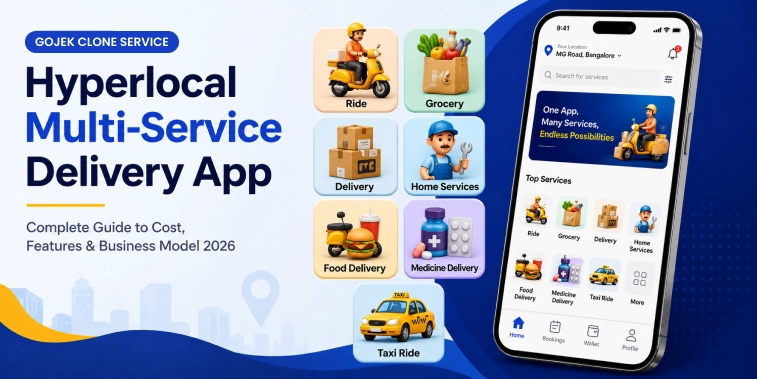
In an increasingly digital world, hyperlocal multi-service delivery apps have emerged as game-changers in the way consumers access essential services. Catering to the immediate needs of users within their localities, these apps seamlessly integrate various services—ranging from groceries to home repairs—into a single platform. As we look ahead to 2026, understanding the cost structures, key features, and viable business models associated with these applications becomes crucial for entrepreneurs and investors alike.
This comprehensive guide will explore the intricacies of hyperlocal delivery apps, providing insights into their design, operational challenges, and future market trends. Whether you’re considering launching your own app or simply interested in the evolving landscape of delivery services, this guide offers valuable information to navigate the hyperlocal delivery ecosystem.
Overview of Hyperlocal Multi-Service Delivery Apps
Definition and Purpose
Hyperlocal multi-service delivery apps are the Swiss Army knives of the digital delivery world, designed to connect users with a variety of services—from groceries and takeout to laundry and home repairs—all within a localized area. The primary purpose? To make life easier for users while *hopefully* keeping them off the couch long enough to remember the outside world exists. By combining multiple services into one convenient platform, these apps aim to streamline the delivery experience and maximize user satisfaction.
Target Market and User Demographics
The key demographic for hyperlocal delivery apps is anyone who appreciates convenience—think busy professionals, parents juggling kids’ schedules, and college students who can’t figure out how to microwave leftovers. Generally, users tend to be tech-savvy individuals aged 18-45 who live in urban or suburban settings. They’re looking for quick solutions that fit into their fast-paced lifestyles, and if they can order their morning coffee, get a haircut, and book a yoga class without leaving the house? Even better!
Current Landscape and Competitors
As of 2026, the hyperlocal delivery market is hotter than a summer sidewalk in July. Major players like Uber Eats, DoorDash, and Postmates are jostling for space alongside niche apps catering to specific needs, such as food-only or grocery-focused services. Each competitor brings its unique twist to the table, whether that’s lightning-fast delivery times or quirky options like plant delivery (because why not add greenery to your life?). The landscape is constantly evolving, but one thing’s for sure: if you’re not innovating, you’re toast.
Key Features of a Successful Hyperlocal Delivery App
User Interface and Experience
A successful app needs to be as smooth as butter on toast. A clean, intuitive user interface is essential for keeping users engaged and happy—no one wants to feel like they’re deciphering a secret code just to order a pizza. The experience should be seamless, allowing users to navigate effortlessly, customize their orders, and provide feedback without losing their sanity. Think minimal taps, big buttons, and a dash of pizzazz.
Service Variety and Options
Diversity is the spice of life, right? The same goes for a hyperlocal delivery app. It should offer a wide array of services to cater to all types of needs—food, groceries, health and beauty products, pet supplies, and maybe even a unicorn delivery service (okay, maybe not that last one). The more options users have, the more they’ll turn to the app for their one-stop-shop needs.
Real-Time Tracking and Notifications
Nobody likes to play the waiting game. Real-time tracking lets users know exactly where their order is, keeping them informed and reducing anxiety levels. Notifications should be timely yet not too pushy—think gentle nudges to let users know when their delivery is on its way, without feeling like they’re being stalked by their own app. A friendly ping goes a long way!
Payment Gateway Integration
In an age where instant gratification is the name of the game, a robust payment gateway is non-negotiable. Users should be able to pay with a range of options—credit cards, digital wallets, and even the occasional carrier pigeon (okay, maybe not that either). A smooth, secure payment process is crucial for keeping users happy and ensuring they come back for more.
Cost Breakdown: Developing a Hyperlocal Multi-Service Delivery App
Initial Development Costs
Getting your app off the ground can be quite the financial undertaking! Initial development costs can vary widely depending on the complexity of features and the platforms you choose. Expect to lay down anywhere from $30,000 to $150,000 for a basic, shining prototype. This includes costs for UX/UI design, backend development, and testing, so budget wisely—or start putting your piggy bank to work!
Ongoing Operational Expenses
After launch, the wallet drain doesn’t stop. Ongoing operational expenses can include server costs, updates, customer support, and payment processing fees. Factor in the need for regular tech maintenance and potential staffing costs, which could total a few thousand dollars per month. It’s like owning a car: once you get it rolling, you need gas, insurance, and occasional repairs—otherwise, it just sits in the garage.
Marketing and Customer Acquisition Costs
What’s an app without users? Marketing is where the magic happens. Depending on your strategy, customer acquisition costs can vary significantly. From social media ads and influencer partnerships to traditional marketing, be prepared to spend a good chunk of change to get noticed. Budget around 20-30% of your expected first-year revenue for customer acquisition—it’s worth the splurge if they keep coming back for more!
Business Models for Hyperlocal Delivery Services
Commission-Based Model
This classic model takes a slice of the pie (or pizza, if we’re being specific). In a commission-based setup, the app charges service providers a fee or percentage of each transaction. This is great for businesses looking to get up and running without hefty upfront costs. Just remember—balance is key, and too high of a commission could scare away potential partners!
Subscription-Based Model
Subscription services are all the rage, and for good reason. Users pay a recurring fee for perks like unlimited deliveries or exclusive discounts, which can foster loyalty and create predictable revenue. It’s like Netflix, but instead of binging on shows, subscribers are binging on convenience! Just make sure to keep delivering the goods—otherwise, subscribers might cancel faster than you can say “free trial.”
Freemium Model
The freemium model is all about attracting users with free basic services while offering premium features for a fee. Think of it like a “try before you buy” strategy. This approach allows users to experience your app without any commitment, and if they love it (which they will, right?), they might be tempted to pay for the extra goodies. Just make sure the premium benefits are worth the price tag!
Market Trends and Future Outlook for Hyperlocal Delivery in 2026
Growth Projections and Market Size
The hyperlocal delivery market is riding a wave of growth that’s set to crash into the shores of 2026 with a bang. With an increase in consumer demand for instant gratification (thank you, coffee and pizza), the global hyperlocal market size is projected to soar to a staggering $100 billion. That’s a lot of lattes! As urbanization continues and people lean into the “I’ll-have-it-now” mentality, expect a surge in delivery apps offering a plethora of services from groceries to hot meals, and everything in between.
Technological Innovations and Their Impact
As we cruise towards 2026, technology is the powerful engine propelling hyperlocal delivery apps forward. Expect to see the rise of AI-driven logistics, smart route optimization, and real-time tracking capabilities that’ll make your pizza arrive hotter than ever. Moreover, with the advent of drones and autonomous vehicles, deliveries could soon have a turbo boost, making wait times a thing of the past. Tech isn’t just changing the delivery game; it’s rewriting the rulebook altogether.
Consumer Behavior Changes
In 2026, consumers will demand more than just convenience—they want personalization, transparency, and typically, the ability to track their delivery person down like a hawk. More people will prefer using apps that cater to their unique tastes and needs, alongside a competitive edge in loyalty rewards and sustainable practices. If the app doesn’t know your favorite coffee order by heart, did it even have a chance at winning your heart?
Marketing Strategies for Hyperlocal Multi-Service Delivery Apps
Digital Marketing Techniques
In a marketplace saturated with choices, digital marketing techniques are your golden ticket to standing out. Think beyond traditional ads—embrace social media campaigns, influencer partnerships, and engaging content that reflects your personality (quirky cat videos, anyone?). Pay-per-click (PPC) campaigns and SEO savvy will also help ensure that when users search for “best delivery app,” your app shines brighter than a diamond in the sky.
Local Partnerships and Collaborations
Teamwork makes the dream work, especially in hyperlocal delivery! Forge partnerships with local businesses, restaurants, and even community organizations. Not only does this expand your service offerings, but it also solidifies your presence in the community. After all, if your app is known as the go-to service for delivering locally loved tacos, you’re basically set for life. Don’t forget to cross-promote—sharing is caring!
Customer Retention Strategies
Once you’ve snagged customers, the goal is to keep them coming back for more. Implement loyalty programs, referral bonuses, and personalized promotions to create a VIP club where your users feel special. Send them a heartfelt “Thank You” message after their first order, or surprise them with a discount on their birthday. It’s the little things that make customers appreciate you and keeps them ordering, even when they already have a fridge full of leftovers.
Challenges and Solutions in the Hyperlocal Delivery Landscape
Logistical Challenges
The logistics of hyperlocal delivery can feel like an elaborate game of Tetris—fit all the pieces together, and you’ve got a seamless operation. From managing delivery times and routes to keeping track of inventory, challenges abound. The solution? Invest in robust logistics software and continuously optimize your supply chain. Think of it as your secret weapon—it’ll help you deliver faster and more reliably than your competitors.
Regulatory and Legal Considerations
Navigating regulatory waters can be trickier than a tightrope walk. Local laws can impact everything from driver classifications to health regulations. Staying compliant is non-negotiable, so it’s wise to consult legal experts to ensure your app operates within the law. Keeping an eye on evolving regulations will also help you pivot quickly and avoid getting stuck in a legal quagmire.
Competition and Market Saturation
With hyperlocal apps popping up like daisies in spring, competition is fierce. To rise above the noise, focus on your unique selling proposition (USP). What makes your app different? Is it faster delivery times, unbeatable customer service, or a quirky brand personality? Emphasize this in your marketing strategy. And remember, ongoing innovation is key to staying ahead—never get too comfortable in your success!
Case Studies: Successful Hyperlocal Multi-Service Delivery Apps
Analysis of Leading Players in the Market
Take a peek at successful hyperlocal delivery apps like DoorDash and Postmates, who are not just surviving but thriving. Their winning formulas include a combination of user-friendly interfaces, vast delivery networks, and clever marketing strategies that appeal to the masses. They’ve carved out their niches by responding swiftly to consumer needs and leveraging technology, keeping them at the forefront of the industry.
Lessons Learned from Failures
Not every hyperlocal delivery venture ends in a standing ovation. Take the case of certain startups that overextended themselves, promising too much too soon and ultimately collapsing under the weight of their own ambitions. Key takeaways? Focus on sustainable growth, understand your market intimately, and don’t ignore customer feedback—it’s gold! Learn from the missteps of others to avoid stepping on the same rake.
Innovative Strategies from Successful Apps
Innovative strategies are what set the winners apart from the wannabes. Consider the loyalty rewards programs that keep customers engaged, or the use of data analytics to predict trends and stock inventory accordingly. Some apps have even gamified their delivery processes, allowing users to earn points or discounts through interactions. These creative approaches not only enhance user experience but also build a loyal customer base that feels involved in the journey.As we move towards 2026, the potential for hyperlocal multi-service delivery apps continues to grow, driven by evolving consumer preferences and technological advancements. By understanding the key features, costs, and business models outlined in this guide, entrepreneurs can position themselves for success in this dynamic market. Whether you are looking to develop a new app or enhance an existing service, embracing the principles discussed here will be essential for meeting the demands of today’s consumers and navigating the challenges ahead. The future of hyperlocal delivery is bright, and those who adapt and innovate will thrive in this competitive landscape.
Frequently Asked Questions (FAQs)
1. What is a hyperlocal multi-service delivery app?
A hyperlocal multi-service delivery app is a platform that allows users to access a variety of local services—from food delivery to home services—within their immediate geographic area, all through a single application.
2. How much does it cost to develop a hyperlocal delivery app?
The cost of developing a hyperlocal delivery app can vary widely based on factors such as features, complexity, and the development team’s location. On average, costs can range from tens of thousands to several hundred thousand dollars.
3. What are the key features to include in a hyperlocal delivery app?
Key features typically include user-friendly interface, real-time order tracking, multiple payment options, service variety, and efficient customer support.
4. What business models are most effective for hyperlocal delivery services?
Common business models include commission-based systems, subscription models, and freemium options, each offering distinct advantages depending on the target audience and market conditions.

Parth Kulkarni
Managing Director
Parth Kulkarni is the Managing Director with strong expertise in IT and on-demand app solutions, focused on empowering startups and enterprises with scalable digital products. His strategic leadership and business insight drive innovation, ensuring consistent client success and long-term growth.
