


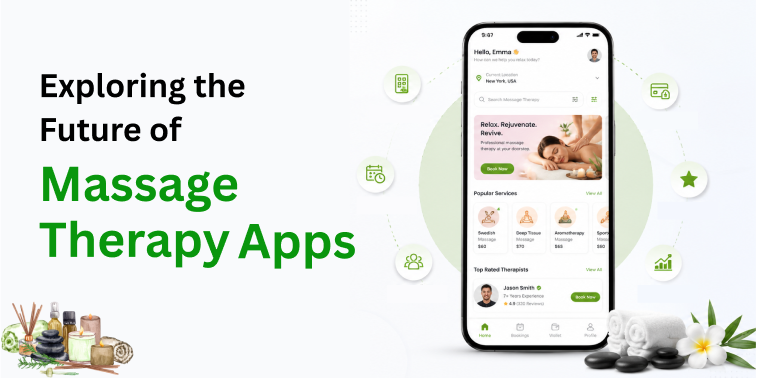
As technology continues to evolve at a rapid pace, massage therapy apps are transforming the way individuals access and experience wellness services. These mobile platforms have emerged as essential tools, connecting clients with therapists, offering personalized treatment plans, and integrating innovative features that enhance user engagement. In this article, we will explore the evolution of massage therapy apps, examine the key features that drive their success, and delve into the future trends shaping this dynamic industry. From the integration of artificial intelligence and wearable technology to the ethical considerations surrounding data privacy, we will uncover the myriad ways these apps are revolutionizing the landscape of holistic health and well-being.
The Evolution of Massage Therapy Apps
Historical Context of Massage Therapy
Massage therapy has roots that stretch back thousands of years, with ancient civilizations like the Egyptians, Greeks, and Chinese using manual techniques to relieve pain and promote wellness. Fast forward to today, where the belief in the power of touch remains strong, albeit with a side of modern technology—enter the massage therapy app. These apps are like the modern-day acupuncturist, except instead of needles, they wield convenience and accessibility.
Early Adoption of Mobile Technology in Health and Wellness
The dawn of mobile technology brought innovative solutions to the health and wellness industry. With smartphones in the hands of millions by the 2010s, being able to find a massage therapist with just a tap was simply too good to resist. Health apps started popping up faster than you can say “Ahh, that feels great!” It was a match made in muscle-relaxation heaven as consumers embraced the ability to book appointments, track wellness goals, and learn about holistic treatments from the palm of their hand.
Key Milestones in App Development
As technology evolved, so did the apps. Key milestones include the launch of intuitive booking systems in the early 2010s, in-app payment features that made financial transactions as smooth as a freshly oiled massage table, and the integration of customer reviews that allowed users to rate their experiences. By 2020, apps with personalized offers based on user preferences began to emerge, proving that the future of relaxation is personalized, user-friendly, and never more than a click away.
Key Features Driving User Engagement
User-Friendly Interfaces and Design
User experience is king, and in the world of massage therapy apps, that means an interface that feels as soothing as a gentle rubdown. Clean designs, easy navigation, and vibrant visuals keep users engaged and less likely to throw their phones across the room in frustration. The goal? To ensure that booking that much-needed stress relief is as straightforward as stretching after a long day.
Booking and Scheduling Functionality
Gone are the days of hunting down therapists or rearranging schedules over the phone. With integrated booking and scheduling features, users can find their perfect match with ease. Whether it’s a 60-minute deep tissue session or a quick chair massage in the office, these apps have calendars so savvy they could rival your social life. Convenience is the name of the game here!
Payment Processing and Security Features
Imagine finally relaxing, and then you remember you still have to pay with cash—yikes! Thankfully, massage therapy apps come with secure payment processing features that allow users to settle up seamlessly. Top-notch security protocols ensure that personal information is as safe as a feet-up position in your favorite recliner, giving users peace of mind to focus on what matters: relaxation.
Feedback and Rating Systems
What’s a spa day without a bit of feedback? Rating systems in massage therapy apps allow users to share their experiences and help others make informed choices. It’s like Yelp for relaxation, where users can leave their thoughts on everything from the therapist’s technique to the ambiance of the studio. A little feedback goes a long way in maintaining high standards and happy clients!
The Role of AI and Personalization in App Development
How AI Enhances User Experience
AI is revolutionizing the way massage therapy apps cater to users. Think of virtual assistants that not only remind you to book your next massage but also analyze your past preferences, helping recommend treatments that align perfectly with your needs. It’s like having a personal concierge who knows your back needs a little extra love after that marathon Netflix binge!
Personalized Treatment Recommendations
Personalization goes beyond just remembering your favorite oil scent; it’s about tailoring experiences that address specific discomforts and preferences. With the power of AI, apps can analyze user data to curate recommendations based on everything from previous bookings to user-reported aches. Because let’s be real: who wouldn’t want a massage catered specifically to their sore spots?
Adaptive Learning Algorithms
Adaptive learning algorithms can take personalization a step further, evolving with user behavior over time. This means the app gets smarter and better at understanding what you like and need, like a therapist who knows just how to work those knots after a couple of sessions. It creates a truly customized experience that feels uniquely yours, which is ideal for both body and mind.
Integrating Virtual Reality and Augmented Reality in Massage Therapy
Innovative Uses of VR in Therapy
Imagine slipping on a VR headset and being transported to a serene beach while receiving a virtual massage that eases your tension. Sounds dreamy, right? Innovative uses of virtual reality in massage therapy apps are pushing boundaries, allowing users to escape into calming environments while either enjoying a real-world treatment or virtually experiencing relaxing techniques right from their living room.
Augmented Reality for Enhanced User Guidance
Augmented reality (AR) is taking the guesswork out of massage techniques by overlaying visual instructions on real-world environments. By using AR, users can learn and practice self-massage techniques at home, guided by an interactive interface. It’s like having a knowledgeable therapist right there with you, except this one doesn’t mind if you accidentally spill some oil on the carpet.
Potential Benefits and Drawbacks
While the integration of VR and AR in massage therapy apps is filled with potential benefits like enhanced relaxation and education, it’s not without its drawbacks. Some users may find themselves overwhelmed by technology, preferring the tactile experience of an actual massage. Additionally, there are considerations around accessibility and the costs of high-tech tools. Finding the right balance between tradition and innovation will be key to shaping the future of this field.
Addressing Ethical Concerns and Regulatory Challenges
Data Privacy and Security Issues
Massage therapy apps often handle a treasure trove of sensitive information—from health histories to personal preferences. As such, the need for robust data privacy measures is paramount. Users want to feel like their data is being treated like a rare Pokémon card—safe and sound in a protective sleeve! Without strict regulations, there’s a risk of data breaches that could leave users feeling exposed and vulnerable. Developers must ensure compliance with regulations like GDPR and HIPAA to keep this data under wraps, protecting both the clients and their own reputations.
Licensing and Certification Requirements
Navigating the labyrinth of licensing and certification requirements can feel like trying to solve a Rubik’s cube—frustrating and multi-faceted! Different regions have various standards, and the app developers must ensure that their partnered massage therapists are accredited. For users, this means having confidence that their massage is in the hands of qualified professionals. Apps must implement verification processes to confirm therapists’ credentials, creating a trustworthy ecosystem that ensures users can relax without worrying about who’s kneading their muscles.
Consumer Protection Regulations
As the popularity of massage therapy apps skyrockets, consumer protection becomes a crucial part of the conversation. These regulations ensure that users are not only getting quality service but are also treated fairly and ethically. Just like you wouldn’t want a shady character giving you questionable advice on skincare, consumers need to know they are receiving good value and quality care through these platforms. Establishing clear terms of service and transparent complaint resolution processes will bolster user trust and promote a healthy marketplace for all.
The Impact of Wearable Technology on Massage Therapy Apps
Integration with Wearable Devices
Imagine this: your smartwatch and your massage therapy app decide to team up like a dynamic duo. Wearable devices can collect data about your physical condition, from heart rate to muscle tension, which can then be synced with massage apps to tailor sessions specifically for you. It’s like having a personal masseuse who knows you better than your best friend! This integration allows for a more personalized approach, ensuring that each massage is designed to target your unique needs.
Real-Time Feedback and Monitoring
With wearables strapped to your wrist or tucked into your clothing, real-time feedback becomes a game-changer. These devices can monitor your stress levels, posture, and muscle tension as you go about your day, providing valuable insights that are relayed back to the massage therapy app. Think of it as your body’s own little therapist, whispering in your ear. This feedback loop not only enhances the effectiveness of your massage sessions but also empowers users to take proactive steps towards their wellness goals.
Future of Wearables in Massage Therapy
As technology advances, the future of wearables in massage therapy looks brighter than a sunny day on a tropical beach. We can expect high-tech innovations like smart fabric that can deliver precise massage techniques based on your body’s specific needs. Wearables might soon feature AI that learns your preferences and offers suggestions on when to book your next massage. With all this futuristic pizzazz, the synergy between wearables and massage therapy apps will redefine how we approach relaxation and wellness.
Future Trends: What to Expect in the Next Decade
Advancements in Technology
The massage therapy landscape is on the brink of a tech renaissance. We can look forward to augmented reality (AR) that lets you preview massages in 3D before booking, and machine learning that predicts when you might need a massage based on your activity levels. Just when you thought your smartphone was the smartest thing in your pocket, get prepared for a universe of tech-savvy relaxation at your fingertips!
Changing Consumer Expectations
As consumers become more tech-savvy, their expectations for massage therapy apps will evolve. Users will demand more intuitive interfaces, personalized experiences, and a seamless blend of technology and human touch. Imagine being able to design your massage in real-time while enjoying a spine-tingling playlist! Meeting these rising demands will challenge developers to continuously innovate, ensuring that customers stay satisfied and coming back for more.
The Role of Telehealth in Massage Therapy
Telehealth isn’t just for doctors anymore; massage therapy is getting in on the action too! Virtual consultations will allow clients to discuss their issues and preferences with therapists before ever stepping foot into a treatment room—or even while lounging in their pajamas at home. This approach can democratize access to wellness, offering tailored solutions regardless of geographical limitations. As telehealth becomes fully integrated, we may see a future where you can book a massage on Mars (well, maybe not just yet).
Conclusion: Shaping the Future of Wellness Through Technology
Summary of Key Points
We’ve explored the ethical conundrums and regulatory hurdles facing massage therapy apps, the exciting integration of wearables, and the transformative trends on the horizon. As technology continues to evolve, these apps will become more personalized, secure, and accessible, creating a wellness revolution that keeps our bodies and minds primed for relaxation.
Final Thoughts on the Future Landscape
The future of massage therapy apps is undeniably bright, filled with promise and innovation. By addressing ethical concerns, leveraging wearable tech, and embracing emerging trends, the industry stands to reshape how we engage with wellness. So, whether you’re a skeptic or a believer in the power of a good rubdown, one thing’s for certain: the intersection of technology and relaxation is an exciting space to watch unfold. Get ready to kick back, knowing the future is in good hands—or rather, good app developers!In conclusion, the future of massage therapy apps holds immense promise as they continue to evolve and adapt to the needs of users and therapists alike. By embracing technological advancements and addressing ethical concerns, these apps can enhance the overall wellness experience, making therapeutic massage more accessible and personalized than ever before. As we move forward, it will be exciting to see how innovation shapes the landscape of massage therapy, fostering a deeper connection between technology and holistic health.
Frequently Asked Questions
What features should I look for in a massage therapy app?
Some key features to consider include user-friendly interfaces, booking and scheduling capabilities, secure payment processing, personalized treatment recommendations, and feedback systems for both clients and therapists.
How can AI improve my experience with massage therapy apps?
AI can enhance the user experience by providing personalized recommendations based on individual preferences and past interactions, as well as adapting treatment suggestions over time to better meet user needs.
Are there any privacy concerns with using massage therapy apps?
Yes, privacy concerns can arise, particularly regarding data security and personal information. It is essential to choose apps that prioritize user data protection and comply with relevant regulations.
Will massage therapy apps replace traditional in-person therapy?
While massage therapy apps offer convenience and accessibility, they are not likely to replace traditional in-person therapy entirely. Instead, they can complement and enhance the overall wellness experience by providing additional resources and support.

Parth Kulkarni
Managing Director
Parth Kulkarni is the Managing Director with strong expertise in IT and on-demand app solutions, focused on empowering startups and enterprises with scalable digital products. His strategic leadership and business insight drive innovation, ensuring consistent client success and long-term growth.
