


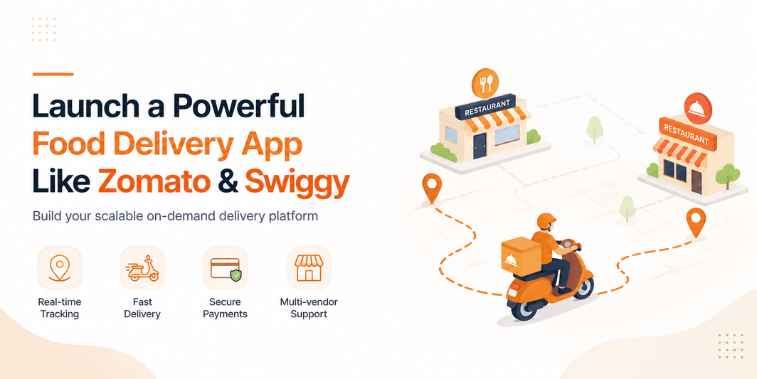
In today’s fast-paced world, food delivery apps like Zomato and Swiggy have revolutionized the way consumers access dining options, transforming a simple meal order into a seamless experience. With the increasing demand for convenience and variety, launching a powerful food delivery app has become a lucrative business opportunity for entrepreneurs. However, the journey from concept to launch involves navigating a competitive landscape, understanding user needs, and integrating cutting-edge technology. This article will guide you through the essential steps to create a successful food delivery app, highlighting key features, design principles, logistical considerations, and effective marketing strategies to ensure your app stands out in the crowded market.
Understanding the Food Delivery App Market
Current Market Trends
The food delivery app market is sizzling hot, with trends that make even the most seasoned chefs drool. Consumers are increasingly favoring convenience—think of it as the culinary equivalent of Netflix binging. On-demand delivery, contactless options, and subscription models are taking the front seat. Also, the rise of cloud kitchens (restaurants without a dine-in option) is reshaping the landscape, allowing businesses to optimize costs while serving up deliciousness right to your doorstep.
Target Audience Analysis
Who’s ordering all this food? The answer might be more surprising than your last blind date. Millennials and Gen Z are leading the charge, seeking quick, easy meals without the hassle of cooking. Families, busy professionals, and even those who just don’t want to face the grocery store also make up substantial portions of the audience. The common denominator? An insatiable craving for convenience, variety, and, let’s be honest, the occasional indulgence in pizza at midnight.
Key Competitors Overview
When it comes to food delivery, Zomato and Swiggy are the big fish in the pond, but they’re not swimming alone. Other competitors like Uber Eats and DoorDash are also battling for those precious orders. Each competitor has their unique flavor: some focus on speed, others on a wider selection, and a few pride themselves on the integration of local restaurants. Analyzing these key players can help you find your niche in this bustling market.
Key Features for a Successful Delivery App
User Registration and Profiles
First impressions matter! A smooth registration process can be the difference between a binge eater and a freeloader. Users should be able to sign up quickly, whether through email, social media, or their best friend’s Snapchat. Profiles should allow for personalized experiences, like saving favorite orders and dietary preferences—because who has time to scroll through menus every time, am I right?
Menu Management and Customization
Let’s face it: food is personal. Your app needs a menu management system that’s as flexible as a yoga instructor. Allow restaurants to update menus and prices in real-time and enable users to customize their orders (extra cheese, please!) to satisfy those cravings. A dash of digital flair can make this feature feel like a gourmet restaurant experience, minus the fancy napkins.
Order Tracking and Notifications
No one likes the dreaded “Where’s my food?” anxiety. A real-time order tracking feature is essential for calming those nerves. Customers should receive timely notifications about their order status—confirmation, preparation, dispatch, and ETA. Bonus points if your app sends out quirky messages like “Your pizza is en route and feeling spicy!”
Payment Gateway Integration
Remember the old saying: “No money, no honey”? Your food delivery app needs an integrated payment system that supports multiple methods—credit/debit cards, digital wallets, and maybe even good old cash (for the traditionalists out there). A seamless checkout experience can prevent cart abandonment and keep those burgers rolling!
Choosing the Right Technology Stack
Frontend Development Options
A snazzy frontend can make your app as eye-catching as a Michelin-star restaurant. Popular frameworks like React Native or Flutter can help you create a stunning user interface that is both interactive and responsive. The goal? To whip up an experience that’s smoother than a well-blended smoothie.
Backend Frameworks and Databases
Behind every great frontend is an equally impressive backend. Technologies like Node.js or Django can provide robust frameworks for handling user data and transactions. Pair that with databases like MongoDB or MySQL, and you’ve got a recipe for success. Your backend should scale as quickly as your user base—because nobody wants to deal with slow service.
Mobile Platforms Considerations
With everyone glued to their smartphones, your food delivery app must be mobile-first. Decide whether to build a native app for iOS and Android or go for a hybrid approach. Whatever you choose, ensure it’s optimized for performance and battery usage—after all, nobody wants their battery to die while waiting for those fries.
Designing an Intuitive User Interface
User Experience Best Practices
An intuitive user interface is like a friendly waiter at a restaurant—welcoming and helpful without being intrusive. Prioritize ease of navigation, clear calls-to-action, and visual hierarchy. Think of it as the food equivalent of organizing your kitchen: everything needs to be in its right place for a smooth cooking experience.
Importance of Responsive Design
Your app should look good enough to make even a food critic weep—on any device. Responsive design is critical, ensuring that users enjoy a seamless experience whether they’re on a tablet, smartphone, or laptop. A clunky interface isn’t just a turn-off; it’s the virtual equivalent of serving cold soup.
Accessibility Features
Inclusivity isn’t just a buzzword; it’s a necessity. Incorporating accessibility features can make your app usable for everyone, from those with visual impairments to those who prefer voice commands. Think of it as a buffet—everyone should have a seat at the table, and everyone should be able to enjoy your delicious offerings without any roadblocks.
Implementing Robust Logistics and Delivery Management
Real-Time Tracking Solutions
In today’s fast-paced world, customers want to know where their food is at all times—because who can resist a good food suspense thriller? Implementing real-time tracking solutions allows your users to follow their order on a nifty map, complete with notifications. Whether it’s their pizza being flipped in the air by an enthusiastic delivery personnel or sushi rolling its way across town, keeping customers in the loop enhances transparency and satisfaction, making them feel like they’re part of the action.
Managing Delivery Personnel
Your delivery personnel are the unsung heroes of food delivery—akin to the knights of the round table, but instead of swords, they wield insulated bags. Efficiently managing your delivery staff means hiring the right people, providing comprehensive training, and utilizing apps to ensure they’re always a phone call away. Plus, maintaining their morale is key; a happy delivery person equals a happy customer. Think of good vibes, bonuses, and maybe a superhero cape or two!
Optimizing Delivery Routes
Time is money, and in the world of food delivery, every minute counts! Optimizing delivery routes with smart algorithms can drastically reduce delivery times and fuel costs. Use GPS technology to navigate the urban jungle and avoid traffic jams—because nobody wants their ramen to arrive lukewarm. Consider the “smart route” that takes into account real-time traffic conditions, ensuring your meals are as fresh as the day they were made.
Marketing Strategies to Promote Your App
Social Media Marketing Techniques
If your food delivery app isn’t on social media, does it even exist? Create a buzz by leveraging platforms like Instagram, Twitter, and Facebook. Mouthwatering food pics, interactive polls, and fun contests can help engage your audience. Don’t forget to use hashtags wisely—after all,
Foodie is as essential as diced onions in a good curry. With the right campaign, your app can go from zero to viral faster than a hot pepper in a chili contest!
Influencer Collaborations
Influencers are like modern-day superheroes—minus the capes (but not the fervent love for food). Partnering with food bloggers and local influencers can help elevate your brand visibility. Whether it’s a taste test or a sponsored post showcasing your app’s features, influencers can provide authentic endorsements that resonate with their followers. Just imagine your app being touted by the local foodie celeb; it’s the stamp of approval everyone wants to see!
SEO and Content Marketing
If you want to be found in the vast digital landscape, mastering SEO is a must. Create compelling content that answers users’ cravings for food tips, recipes, and dining experiences while promoting your app. Think blogs, videos, and how-to guides—shareable content that can drive traffic to your app and boost your ranking on search engines. It’s not just about being a delicious option; it’s about being the *first* delicious option they find!
Ensuring Customer Satisfaction and Retention
Feedback and Review Systems
Listening to your customers is like having a crystal ball—it allows you to peer into their desires and enhance their experience! Implement a robust feedback and review system to gather insights and show customers you value their opinions. Whether they’re raving about the heavenly chocolate cake or requesting a change in delivery times, fostering open communication ensures that you are always one step closer to culinary perfection.
Loyalty Programs and Incentives
A loyalty program can turn a one-time buyer into a lifelong customer. Reward your users with points for every order that can be redeemed for discounts, free meals, or exclusive offers. Think of it as a food-enthusiast’s treasure map leading to gastronomical delights. The more they order, the more they save—because who doesn’t love the thrill of being rewarded for indulging in their favorite guilty pleasures?
Customer Support Channels
Great customer support is like a safety net during a high-wire act. Ensure you have multiple channels—live chat, email, and phone support—so customers can reach out easily if they have questions or concerns. Quick responses and effective solutions can turn a dissatisfied customer into a loyal fan. Remember, it’s not just about solving problems; it’s about creating connections and ensuring they feel valued at every step of their journey.
Analyzing Competitors: Learning from Zomato and Swiggy
What Sets Them Apart?
When analyzing the big players like Zomato and Swiggy, ask yourself: What makes them the reigning champions of food delivery? From extensive restaurant partnerships to user-friendly interfaces, they’ve carved out niches that make their services indispensable. By understanding their unique selling propositions, you can identify opportunities to differentiate your app in ways that resonate with hungry users.
Innovative Features to Consider
Innovation is the name of the game! Zomato and Swiggy have introduced features like hyperlocal deliveries, subscription models, and real-time menu updates to keep users engaged. Take notes, folks! These innovative aspects can inspire you to think outside the box and develop features that enhance user experience and streamline their ordering process. Because let’s face it, everyone loves a game-changing food app!
Lessons Learned from Their Success and Challenges
Every titan has faced challenges, and the titans of food delivery are no exception. From navigating tough delivery areas to handling customer complaints, there’s much to learn from their journeys. By studying their successes and missteps, you can develop a business model that sidesteps pitfalls while harnessing strategies that have proven successful, ultimately paving the way for your app to rise and shine. Launching a food delivery app like Zomato or Swiggy can be a rewarding venture if approached with careful planning and execution. By understanding the market, prioritizing user experience, and implementing efficient logistics, you can create a platform that meets the needs of modern consumers. With the right marketing strategies and a focus on customer satisfaction, your app can thrive in this competitive industry. Embrace innovation, stay adaptable, and watch your food delivery service grow into a preferred choice for hungry customers.
Conclusion
Launching a powerful food delivery app like Zomato and Swiggy is a smart move in today’s fast-growing on-demand economy. With the right combination of advanced features, user-friendly design, and efficient delivery management, you can create a platform that meets modern customer expectations and stands out in a competitive market. Focusing on seamless user experience, real-time tracking, secure payments, and strong restaurant partnerships will help you build trust and drive consistent growth. By leveraging the latest technology and understanding market trends, your food delivery app can become a scalable and profitable business that delivers both convenience to users and success to your brand.
Frequently Asked Questions (FAQ)
What are the initial costs involved in launching a food delivery app?
The initial costs can vary significantly based on features, technology stack, and geographical location. Expenses typically include app development, marketing, server hosting, and operational costs, which can range from a few thousand to several hundred thousand dollars.
How can I ensure the security of transactions in my app?
Implementing strong encryption protocols, using secure payment gateways, and adhering to industry standards such as PCI compliance can help ensure the security of transactions within your app.
What features are essential for a food delivery app?
Essential features include user registration, menu browsing, order placement, real-time tracking, multiple payment options, and customer support. Additional features like loyalty programs and user reviews can enhance the user experience.
How do I attract and retain customers for my food delivery app?
To attract and retain customers, focus on quality service, user-friendly design, effective marketing strategies, and personalized offers. Building a strong brand presence on social media and utilizing customer feedback for continuous improvement can also help maintain customer loyalty.

Parth Kulkarni
Managing Director
Parth Kulkarni is the Managing Director with strong expertise in IT and on-demand app solutions, focused on empowering startups and enterprises with scalable digital products. His strategic leadership and business insight drive innovation, ensuring consistent client success and long-term growth.
