


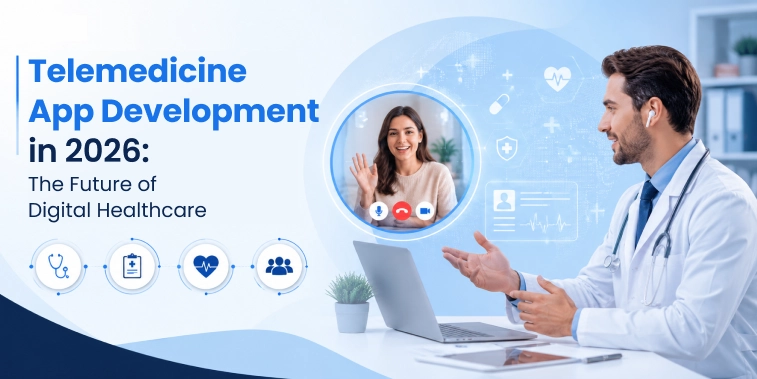
Introduction
The healthcare industry is undergoing one of the most significant digital transformations in its history. Advances in technology, changing patient expectations, and the growing demand for accessible healthcare services have accelerated the adoption of telemedicine solutions worldwide. What began as a convenient alternative for remote consultations has evolved into a comprehensive digital healthcare ecosystem that connects patients, healthcare providers, pharmacies, laboratories, and insurance companies through a single platform.
As we enter 2026, telemedicine is no longer considered an optional healthcare service. Instead, it has become a core component of modern healthcare delivery. Patients expect immediate access to medical professionals, virtual consultations, digital prescriptions, and personalized healthcare experiences from the comfort of their homes.
For healthcare organizations, startups, hospitals, and entrepreneurs, investing in telemedicine app development presents a tremendous opportunity to improve patient outcomes, increase operational efficiency, and expand healthcare accessibility. At the same time, emerging digital healthcare trends are reshaping how medical services are delivered, managed, and experienced.
This article explores telemedicine app development, its key features, benefits, challenges, and the most important digital healthcare trends expected to dominate the healthcare industry in 2026.
What Is Telemedicine App Development?
Telemedicine app development refers to the process of creating digital platforms that enable healthcare providers and patients to communicate remotely through smartphones, tablets, and computers. These applications facilitate virtual consultations, remote monitoring, appointment scheduling, digital prescriptions, and secure medical record management.
Telemedicine applications eliminate geographical barriers and make healthcare services more accessible to individuals who may have difficulty visiting healthcare facilities in person.
Modern telemedicine platforms typically include:
- Video consultation capabilities
- Voice calling functionality
- Secure messaging systems
- Appointment scheduling tools
- Electronic health records (EHR)
- Online prescription management
- Payment gateway integration
- Remote patient monitoring
- Healthcare analytics dashboards
These features create a seamless experience for both patients and healthcare providers.
Why Telemedicine Is Growing Rapidly in 2026
Several factors are contributing to the rapid growth of telemedicine services across the globe.
Increasing Demand for Convenient Healthcare
Patients increasingly prefer healthcare solutions that fit into their busy schedules. Telemedicine enables users to consult doctors without traveling, waiting in long queues, or taking time off work.
Growing Internet and Smartphone Penetration
The widespread availability of smartphones and high-speed internet has made digital healthcare services more accessible than ever before.
Rising Healthcare Costs
Telemedicine helps reduce operational costs for healthcare providers while offering affordable consultation options for patients.
Improved Technology Infrastructure
Advancements in cloud computing, artificial intelligence, wearable devices, and cybersecurity have significantly enhanced telemedicine capabilities.
Greater Focus on Preventive Healthcare
Healthcare providers are increasingly using digital tools to monitor patients and detect health issues before they become severe.
Key Features of a Successful Telemedicine App
Developing a competitive telemedicine application requires integrating features that improve patient engagement, clinical efficiency, and data security.
User Registration and Profile Management
Patients and healthcare providers should be able to create and manage profiles easily.
Key profile information may include:
- Personal details
- Medical history
- Insurance information
- Consultation records
- Prescription history
Appointment Scheduling
Patients should be able to book appointments based on doctor availability.
Benefits include:
- Reduced administrative workload
- Improved patient convenience
- Better time management
Video and Audio Consultations
High-quality video conferencing is the foundation of telemedicine.
Features should include:
- HD video calling
- Voice consultations
- Call recording (where permitted)
- Screen sharing
- File sharing
Electronic Health Records (EHR)
Digital medical records allow healthcare professionals to access patient information quickly and securely.
Benefits include:
- Better diagnosis accuracy
- Improved treatment planning
- Reduced paperwork
- Enhanced collaboration
E-Prescriptions
Doctors can generate and share prescriptions electronically.
Advantages include:
- Faster medication access
- Reduced prescription errors
- Better pharmacy integration
Secure Payment Integration
Patients should be able to pay consultation fees through:
- Credit cards
- Debit cards
- Digital wallets
- UPI payments
- Insurance integrations
Push Notifications
Notifications help keep patients informed about:
- Upcoming appointments
- Prescription reminders
- Test results
- Follow-up consultations
Benefits of Telemedicine App Development
Improved Healthcare Accessibility
Telemedicine allows patients in rural and underserved areas to access qualified healthcare professionals without traveling long distances.
Enhanced Patient Experience
Convenient scheduling, shorter waiting times, and remote consultations significantly improve patient satisfaction.
Increased Revenue Opportunities
Healthcare providers can expand their reach beyond physical locations and serve a larger patient base.
Reduced Operational Costs
Digital consultations reduce infrastructure requirements and administrative expenses.
Better Patient Engagement
Regular communication and monitoring encourage patients to take a more active role in managing their health.
Digital Healthcare Trends Shaping 2026
The healthcare industry is rapidly evolving due to technological innovation. Several trends are expected to dominate the digital healthcare landscape in 2026.
Artificial Intelligence in Healthcare
AI is transforming healthcare delivery by improving diagnostic accuracy and automating administrative processes.
Applications include:
- Medical image analysis
- Predictive diagnostics
- Symptom assessment
- Personalized treatment recommendations
- Virtual health assistants
AI-powered telemedicine apps can provide faster and more accurate healthcare services.
Remote Patient Monitoring (RPM)
Remote patient monitoring enables healthcare providers to track patient health data in real time through connected devices.
Common monitoring metrics include:
- Blood pressure
- Heart rate
- Blood glucose levels
- Oxygen saturation
- Sleep patterns
RPM is particularly valuable for patients with chronic conditions such as diabetes and heart disease.
Wearable Healthcare Technology
Wearable devices continue to play an increasingly important role in digital healthcare.
Popular devices include:
- Smartwatches
- Fitness trackers
- ECG monitors
- Sleep tracking devices
Telemedicine apps can integrate with these devices to provide continuous health monitoring and personalized care.
Blockchain for Healthcare Security
Data security remains a major concern in healthcare.
Blockchain technology offers:
- Enhanced data integrity
- Improved transparency
- Secure record sharing
- Better patient control over health data
Healthcare organizations are increasingly exploring blockchain-based solutions to strengthen cybersecurity.
Personalized Healthcare Experiences
Patients now expect healthcare services tailored to their individual needs.
Telemedicine platforms use:
- AI algorithms
- Health analytics
- Behavioral insights
to provide personalized treatment recommendations and wellness plans.
Mental Health Telemedicine
Mental health services are becoming one of the fastest-growing segments of telemedicine.
Digital mental health platforms offer:
- Virtual therapy sessions
- Counseling services
- Anxiety management programs
- Depression support
- Wellness coaching
The convenience and privacy of telehealth make it particularly effective for mental healthcare.
Internet of Medical Things (IoMT)
IoMT refers to interconnected medical devices that collect and exchange healthcare data.
Examples include:
- Smart glucose monitors
- Connected inhalers
- Wearable ECG devices
- Remote monitoring sensors
These devices improve patient outcomes by enabling proactive healthcare management.
Cloud-Based Healthcare Solutions
Cloud technology provides scalability, flexibility, and cost-efficiency for healthcare organizations.
Benefits include:
- Secure data storage
- Easy system updates
- Real-time data access
- Enhanced collaboration
Most modern telemedicine applications rely on cloud infrastructure for reliable performance.
Challenges in Telemedicine App Development
Despite its advantages, telemedicine app development presents several challenges.
Data Privacy and Security
Healthcare applications handle sensitive patient information and must comply with strict security standards.
Regulatory Compliance
Different countries have unique healthcare regulations that developers must follow.
Integration Complexity
Telemedicine apps often need to integrate with:
- Hospital systems
- Laboratories
- Pharmacies
- Insurance providers
User Adoption
Healthcare providers and patients may require training and support to adopt new digital platforms effectively.
How AI Will Revolutionize Telemedicine in 2026
Artificial intelligence is expected to become one of the most influential technologies in telemedicine.
AI can assist with:
- Automated appointment scheduling
- Virtual symptom checking
- Clinical decision support
- Predictive analytics
- Patient engagement
These capabilities improve efficiency while helping healthcare providers deliver better patient outcomes.
Future Opportunities in Telemedicine
The future of telemedicine extends far beyond virtual consultations.
Emerging opportunities include:
- Virtual hospitals
- AI-powered diagnostics
- Remote surgeries
- Smart healthcare ecosystems
- Preventive healthcare platforms
- Digital therapeutics
Businesses that invest in telemedicine innovation today will be well-positioned to capitalize on future healthcare trends.
Conclusion
Telemedicine app development is transforming healthcare delivery by making medical services more accessible, convenient, and efficient. As digital healthcare continues to evolve in 2026, technologies such as artificial intelligence, wearable devices, blockchain, remote patient monitoring, and cloud computing will play increasingly important roles in shaping patient experiences.
Healthcare providers, startups, and entrepreneurs have a unique opportunity to leverage these innovations and create solutions that address modern healthcare challenges. By investing in robust telemedicine applications and embracing emerging digital healthcare trends, organizations can improve patient outcomes, reduce costs, and build sustainable healthcare ecosystems for the future.
The demand for digital healthcare solutions is expected to continue growing, making telemedicine one of the most promising sectors in the global healthcare industry.
Frequently Asked Questions (FAQs)
1. What is a telemedicine app?
A telemedicine app is a digital healthcare platform that enables patients and healthcare providers to communicate remotely through video calls, voice calls, messaging, and online consultations.
2. What are the essential features of a telemedicine application?
Key features include video consultations, appointment scheduling, electronic health records, e-prescriptions, secure payments, patient profiles, and remote monitoring tools.
3. How much does telemedicine app development cost?
The cost depends on app complexity, features, technology stack, integrations, and development team location. Advanced telemedicine platforms generally require higher investment due to security and compliance requirements.
4. Why is telemedicine becoming more popular in 2026?
Telemedicine offers convenience, accessibility, lower healthcare costs, faster consultations, and improved patient experiences, making it increasingly attractive for both patients and providers.
5. What digital healthcare trends will dominate in 2026?
Major trends include artificial intelligence, remote patient monitoring, wearable health devices, blockchain security, cloud-based healthcare systems, personalized medicine, and mental health telemedicine.

Parth Kulkarni
Managing Director
Parth Kulkarni is the Managing Director with strong expertise in IT and on-demand app solutions, focused on empowering startups and enterprises with scalable digital products. His strategic leadership and business insight drive innovation, ensuring consistent client success and long-term growth.
