


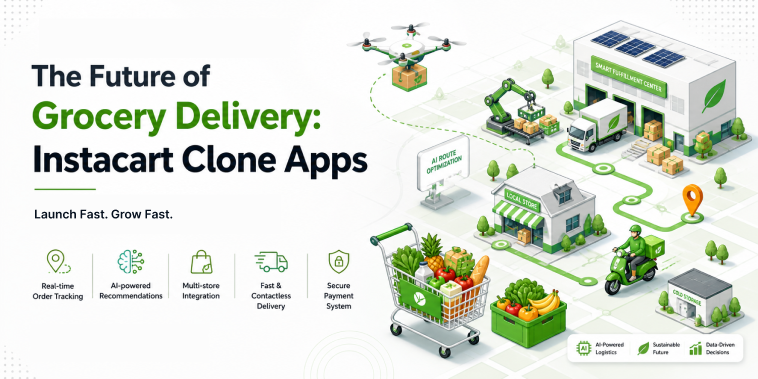
The grocery delivery landscape has undergone a significant transformation in recent years, driven by changing consumer preferences and advancements in technology. As more people turn to online solutions for their shopping needs, the rise of grocery delivery apps has become a focal point in the retail industry. Instacart, a leading player in this market, has paved the way for numerous clone apps that seek to replicate its success. This article explores the future of grocery delivery through the lens of these Instacart clone apps, examining their features, market dynamics, challenges, and potential innovations that could shape the industry in the coming years.
Introduction to Grocery Delivery Trends
Grocery delivery has become a household staple, morphing from a luxury to a necessity in just a few short years. Once upon a time, the idea of having groceries delivered felt like something straight out of The Jetsons. Fast-forward to today, and your weekly grocery haul can be just a few clicks away. The ongoing pandemic only accelerated this trend, pushing consumers to re-evaluate their shopping habits and embrace convenience.
Historical Context of Grocery Delivery
Grocery delivery isn’t a new phenomenon; it has roots that stretch back to the 1930s when markets started offering delivery services to customers. However, it was largely limited to big cities and wealthy neighborhoods. Fast-forward to the digital age, and we see a revolution in the way groceries are delivered. The launch of services like Peapod in the early ’90s was a precursor to the supermarket apocalypse of the 2020s, where apps like Instacart reign supreme and pantry supplies can magically appear at your doorstep.
Consumer Preferences and Behavioral Shifts
Today’s consumers are a demanding bunch. They want speed, convenience, and a seamless experience—ideally without standing in line or grappling with heavy grocery bags. The rise of remote work and the on-the-go lifestyle means that people are increasingly turning to grocery delivery services. The days of browsing the aisles with a shopping list are becoming quaint. Instead, we’ve got our smartphones and an insatiable desire to save time. Who wouldn’t want to save that precious hour of their life for… well, anything else?
The Rise of Instacart Clone Apps
With Instacart setting the stage for grocery delivery, it’s no surprise that entrepreneurs are eager to hop on the bandwagon. Enter: Instacart clone apps. These platforms offer a familiar sense of convenience but come with their unique flair.
What Are Instacart Clone Apps?
Instacart clone apps are basically the grocery delivery equivalent of a hipster coffee shop that serves the same brew as Starbucks, but with artisanal donuts on the side. These apps are built to mimic the functionality and user experience of Instacart, allowing users to order groceries from local stores with just a few taps of their fingers. They often come equipped with additional features or localized offerings, giving consumers options galore—because why not have choices when it comes to your avocados?
Factors Driving Their Popularity
Several factors have catapulted Instacart clone apps into the limelight. The demand for personalized services, localized experiences, and competitive pricing makes clone apps appealing to both supermarkets and consumers. Plus, the ease of development—from existing models—means that tech-savvy entrepreneurs can dive in without reinventing the wheel. It’s like having a family recipe: you keep the essence but sprinkle in some of your own magic.
Key Features of Successful Clone Apps
Not all clone apps are created equal. To succeed in the crowded grocery delivery space, these apps must boast a magic mix of features that make users say, “Wow, this is seamless!”
User-Friendly Interface
First impressions matter, and in the app world, a clunky interface is like showing up to a dinner party wearing socks and sandals. Successful clone apps prioritize a user-friendly design that allows even the most technologically challenged among us to navigate with ease. Think intuitive layouts and simple checkout processes that make you feel like a grocery-shopping genius.
Real-Time Tracking and Notifications
Nothing quite beats the thrill of seeing your groceries make their way to your door in real-time—it’s like playing a video game but with broccoli instead of power-ups. Apps that provide real-time tracking and push notifications ensure customers are kept in the loop every step of the way. “Your delivery is 5 minutes away” hits differently than the vague “We’ll be there when we feel like it.”
Integration with Local Grocery Stores
For clone apps to shine, they need to play nice with local grocery stores. This means not only offering a wide variety of products but also ensuring items are fresh and available. The key here is building strong relationships with local grocers to create a mutually beneficial ecosystem where everyone—from the store owners to the customers—wins.
Market Analysis: Demand for Grocery Delivery
As we dive into the market analysis of grocery delivery, it’s crucial to understand the landscape we’re operating in—a bustling marketplace filled with eager consumers.
Current Market Landscape
The grocery delivery market is booming, with more players entering the field every day. Consumers are choosing convenience over traditional shopping, resulting in an explosion of options. In fact, studies suggest that the online grocery market is set to reach billions in revenue in the coming years. With consumer habits evolving at lightning speed, businesses that jump into this arena are poised for success—as long as they can keep up.
Target Demographics for Clone Apps
Understanding who your target audience is can make or break your grocery app. Millennials and Gen Z, with their penchant for convenience and tech savviness, are prime candidates for grocery delivery. Busy professionals, parents juggling a million tasks, and health-conscious folk who prefer organic produce over the usual supermarket fare are also key demographics. If your clone app can cater to their needs, you’ll find yourself on the path to success—and hopefully, a nice set of groceries delivered right to your doorstep!
Technology and Innovation in Grocery Delivery
Role of AI and Machine Learning
AI and machine learning are the dynamic duo of grocery delivery, working behind the scenes to streamline operations and enhance customer experience. Imagine an app that learns your shopping habits faster than your cat learns to demand treats. These technologies analyze purchasing patterns, predict what you might need, and even adjust prices based on demand. With personalized recommendations, you’ll never again ask yourself, “Was that a great deal on avocados or just a bad memory?”
Automation and Robotics in Delivery
Robots are no longer just the stuff of sci-fi dreams; they’re zooming around warehouses, packing your orders faster than you can say “out of stock.” Automated systems and drones are quickly becoming the norm, making delivery not just quicker but also more efficient. Picture a fleet of adorable little delivery bots navigating your neighborhood, lowering carbon footprints while maximizing your convenience. It’s like a futuristic parade, but instead of floats, you get your groceries right at the door!
Challenges Facing Instacart Clone Apps
Competition from Established Brands
Let’s face it: jumping into grocery delivery with an Instacart clone app is a bit like trying to crash a party already packed with A-list celebrities. Established brands have their loyal customers and immense resources, which can make it tough for new players to shine. With their fancy marketing and well-oiled delivery systems, these giants aren’t giving up their turf without a fight. New entrants need to bring their A-game (and maybe some snacks) to woo customers away from their beloved brands.
Logistical and Operational Hurdles
Getting groceries from point A to point B sounds simple until you realize that point A is a crowded store and point B is your hungry sofa. Operational hurdles like managing inventory, handling perishables, and ensuring timely delivery can feel like navigating a maze while blindfolded. Add in the complexity of maintaining quality and customer service, and it’s clear that running an Instacart clone isn’t all rainbows and easy returns.
Future Predictions for Grocery Delivery Services
Emerging Trends to Watch
As we dive headfirst into the future of grocery delivery, keep your eyes peeled for trends that are set to shake things up. Subscription services for fresh ingredients (hello, meal kits!), increased focus on sustainability (because we love the planet), and enhanced technology integration will all play a role. Plus, with the rise of social shopping, who knows? Maybe your next grocery run will just be a scroll through TikTok while someone else fills your cart for you.
Potential for Market Consolidation
The grocery delivery market is like a game of musical chairs—many players, but not enough seats to keep them all around. As competition heats up, we could see some consolidation, with smaller apps joining forces or being scooped up by bigger brands. This could lead to fewer options but potentially stronger services, as resources are pooled to create a more robust grocery delivery ecosystem. Just think: fewer apps to download but possibly a more powerful player guiding your grocery journey.
Conclusion: The Evolving Landscape of Grocery Delivery
Final Thoughts on Instacart Clone Apps
Instacart clone apps are stepping into the spotlight, armed with technology and a sprinkle of creativity. While they face immense challenges, the potential for innovation and improvement is colossal. If they can navigate the competitive waters and smartly leverage tech, they might just become the go-to for your next grocery binge—without you ever having to put on pants.
The Future of Grocery Shopping and Delivery
As we look toward the horizon, the future of grocery shopping and delivery is ripe with possibilities. With the right blend of technology, creativity, and customer focus, the grocery delivery landscape will continue to evolve, making shopping not only easier but also more fun. So buckle up—your next grocery run might just be a swipe away, and who knows? You might end up with more than just avocados on your doorstep.In conclusion, the future of grocery delivery is bright and full of potential, particularly as Instacart clone apps continue to emerge and evolve. With advancements in technology, a growing demand for convenience, and innovative features that enhance the shopping experience, these apps are well-positioned to thrive in a competitive market. As the landscape of grocery shopping continues to change, both consumers and businesses will benefit from the increased accessibility and efficiency that these delivery solutions offer. Embracing this evolution will be key to meeting the needs of modern shoppers and ensuring the sustainability of grocery delivery services for years to come.
Frequently Asked Questions (FAQs)
What are Instacart clone apps?
Instacart clone apps are grocery delivery applications designed to replicate the functionality and features of the original Instacart platform, allowing users to order groceries online from local stores and have them delivered to their doorstep.
How do Instacart clone apps differ from other grocery delivery services?
While many grocery delivery services exist, Instacart clone apps specifically mimic the user experience, pricing models, and operational strategies of Instacart, often targeting similar demographics and local markets to increase convenience for consumers.
What technological innovations are influencing grocery delivery services?
Technological advancements such as artificial intelligence for personalized recommendations, machine learning for inventory management, and automation in delivery logistics are significantly influencing the efficiency and customer satisfaction of grocery delivery services.
What challenges do Instacart clone apps face in the market?
Instacart clone apps face several challenges, including stiff competition from established brands, logistical complexities in managing deliveries, and the need to ensure high-quality customer service to retain users in a crowded marketplace.

Parth Kulkarni
Managing Director
Parth Kulkarni is the Managing Director with strong expertise in IT and on-demand app solutions, focused on empowering startups and enterprises with scalable digital products. His strategic leadership and business insight drive innovation, ensuring consistent client success and long-term growth.
