


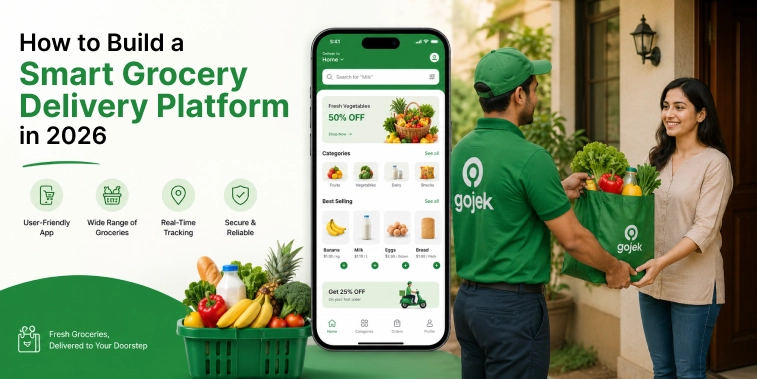
As we venture into 2026, the grocery delivery landscape is evolving rapidly, driven by technological advancements and shifting consumer expectations. With an increasing demand for convenience and personalized experiences, building a smart grocery delivery platform has become more crucial than ever. This article will explore the essential components required to create an effective platform, from understanding market trends and leveraging cutting-edge technology to ensuring user-friendly design and compliance with regulations. By examining these key areas, entrepreneurs and businesses can position themselves for success in this competitive and dynamic market.
Overview of the Grocery Delivery Market in 2026
Market Trends and Growth Projections
The grocery delivery market in 2026 is poised for exponential growth, driven by the convenience-driven lifestyle that has become the new normal. Experts project a compound annual growth rate (CAGR) of around 15% as more consumers opt for online shopping over traditional brick-and-mortar grocery runs. With the rise of AI and machine learning, platforms are also becoming smarter, optimizing delivery routes and reducing wait times—because who doesn’t want snacks delivered faster?
Consumer Behavior Shifts Post-Pandemic
The pandemic reshaped consumer habits, with a significant shift toward online grocery shopping. In 2026, we see a lasting preference for delivery services, as shoppers enjoy the ease of clicking through a virtual store while still wearing their pajamas. Health consciousness has also impacted buying decisions, increasing the demand for organic and locally sourced products. So forget the impulse buys—now it’s all about wholesome granola and kale.
Competitive Landscape and Key Players
The grocery delivery arena is increasingly competitive, with established players like Instacart and Amazon Fresh battling it out with innovative startups that are shaking up the scene. New entrants are leveraging technology to offer unique value propositions, such as hyper-local delivery or subscription models for staple products. In this whirlwind of competition, staying ahead means being adaptable, responsive, and, occasionally, a little bit quirky.
Key Features of a Smart Grocery Delivery Platform
User-Friendly Interface and Navigation
A smart grocery delivery platform should feel as familiar as your favorite T-shirt. Intuitive design and seamless navigation are key to ensuring users can easily find what they need without losing their cool—or their shopping list. Think clear categories, smart search functions, and a layout that even your grandma could navigate without calling you for help.
Personalized Shopping Experience
In 2026, shoppers expect a tailored experience that’s as customized as their smoothie bowl. Using AI, platforms can recommend products based on past purchases, preferences, and even dietary restrictions. Implementing features like “frequent purchases” shortcuts or “suggested items” lists can transform a standard grocery run into a delightful exploration of culinary options. Who knew grocery shopping could be this exciting?
Real-Time Order Tracking and Notifications
No one enjoys the agony of waiting for their groceries to arrive. A smart platform should offer real-time order tracking and notifications, so customers can follow their groceries’ journey from store to doorstep like it’s a reality show. Alerts for when the delivery is three minutes away will reduce anxiety levels substantially—because who doesn’t want a countdown to snack time?
Payment Options and Security Features
In a world where time is money, offering multiple payment options is essential. From credit cards to digital wallets and even cryptocurrency, make sure customers can pay in a way that suits them best. Additionally, robust security features—like end-to-end encryption—are necessary to give users peace of mind that their financial details are safer than a secret recipe locked in a vault.
Technology Stack for Building the Platform
Choosing the Right Development Framework
Selecting the right development framework can make or break your grocery delivery platform. Opt for flexible frameworks like React or Angular for the front end that can deliver seamless user experiences, and consider Node.js for the backend to ensure efficient processing power. Choose wisely, and your tech stack will feel like a well-stocked pantry—full of the right ingredients for success.
Cloud Infrastructure and Scalability
With the grocery delivery market expected to boom, having a scalable cloud infrastructure is essential. Cloud services like AWS or Google Cloud not only provide the necessary space to grow but also offer services that can handle high traffic during peak times, like Sunday evenings when everyone realizes they forgot to buy milk. Scalability ensures your platform can adjust without crashing—because that’s an embarrassing way to lose customers.
Integration with Third-Party APIs
Integrating with third-party APIs can enhance your platform’s functionality in ways you never imagined. Whether it’s for payment processing, inventory management, or even weather APIs to optimize delivery routes, these integrations can significantly improve user experience and operational efficiency. Just think of it as adding sprinkles on top of your grocery delivery sundae—because who doesn’t love some extra flair?
User Experience Design and Customer Engagement
Design Principles for Effective UX
When designing for user experience, keep it simple, intuitive, and visually appealing. Use ample white space, easy-to-read fonts, and eye-catching icons to guide users effortlessly through the shopping process. Remember, a positive user experience can turn first-time shoppers into lifelong fans—like converting a casual acquaintance into your best friend who knows all your snack preferences.
Customer Feedback and Iterative Design
Creating a platform that resonates with users requires listening to their feedback and evolving. Use surveys, user interviews, and analytics to gather insights, then iterate your design based on what you learn. This ongoing conversation not only improves the product but also fosters a sense of community—because who says building a grocery delivery platform can’t be a team effort?
Building a Community Around the Platform
Cultivating a community is the secret sauce that can elevate your grocery delivery platform from merely functional to downright delightful. Engage customers through social media, newsletters, and loyalty programs that offer perks like discounts or rewards for referrals. Encourage interactions and conversations—nothing turns a simple grocery run into an adventure like sharing recipes or meal prep tips with fellow shoppers.
Integrating AI and Machine Learning for Personalization
Data Collection and User Insights
To create a grocery delivery platform that feels tailor-made, you’ve got to channel your inner detective. Collect data from every user interaction, whether it’s what they order, when they order, or even their quirky snack choices. Utilize tools like surveys and feedback forms to dig deep into user preferences. The more you know, the more you can cater to their cravings—and trust me, nobody wants to be offered kale when they really want ice cream.
Recommendation Engines and Intelligent Suggestions
Once you’ve gathered your treasure trove of data, it’s time for some AI wizardry! Implement recommendation engines that analyze user behavior and purchasing patterns to suggest products they might actually want instead of that random chia seed pudding. Imagine a system that sends a friendly nudge saying, “Hey! You loved that pasta sauce last time; need more?”—a warm hug of convenience in a world of endless options.
Automating Customer Support with Chatbots
Let’s face it: nobody enjoys waiting on hold while elevator music plays for the hundredth time. Enter chatbots, the unsung heroes of customer support. Set up these AI-powered assistants to handle common inquiries, provide order updates, and even suggest recipes based on what users have in their cart. Remember, the goal is to make your customers feel like they’re chatting with a helpful friend, not an emotionless robot.
Logistics and Supply Chain Management Solutions
Optimizing Delivery Routes and Times
In the race against hunger, every second counts! Utilize AI-driven tools to optimize delivery routes and times. Forget the days of backtracking and getting stuck in traffic—smart algorithms can analyze live traffic data and predict delivery times with uncanny accuracy. Your customers will appreciate the timely arrival of their groceries, and you can proudly wear the cape of the ultimate delivery hero.
Inventory Management and Demand Forecasting
Nobody likes discovering that the last box of their favorite cereal is out of stock. Implement robust inventory management systems that work in tandem with demand forecasting models. This way, you’ll know when to restock items before they vanish like socks in the dryer. Plus, being proactive means better relationships with suppliers and happier customers who won’t be left cereal-less at breakfast.
Partnerships with Local Grocers and Suppliers
While it might be tempting to go solo, teaming up with local grocers and suppliers can create a win-win scenario. Build partnerships that allow you to offer fresher products and support local businesses. Not only does this foster a sense of community (cue the warm and fuzzy feelings), but it also gives your platform a unique edge in a market that often favors the big players.
Regulatory Considerations and Compliance
Food Safety Regulations
Navigating food safety regulations might feel like trying to decode hieroglyphics, but it’s essential for building trust. Ensure compliance with all local and national food safety standards. This includes proper handling, storage, and transportation of food. Remember, a reputation for quality and safety can be your best marketing tool—nobody wants mystery meat delivered to their door!
Data Privacy Laws and User Protection
In an age where data breaches make headlines, safeguarding user information is more than a legal requirement—it’s a promise. Understand and comply with data privacy laws like GDPR and CCPA. Be transparent about how you collect and use data. When users know their information is safe, they’re more likely to engage with your platform without feeling like they’re about to be guest stars on a crime documentary.
Licensing and Business Operations
Before you launch into the grocery delivery fray, get your ducks in a row with licensing and business operations. Research local regulations regarding business permits, and ensure you’re following the necessary legal protocols. A little legwork now ensures you’re not left scrambling later. After all, nobody wants to deal with fines when they could be focusing on delicious deliveries instead.
Future Trends and Innovations in Grocery Delivery Services
Automation and Robotics in Delivery
Imagine a future where your groceries arrive at your door via autonomous drones or delivery robots that look like something out of a sci-fi movie. Automation is the name of the game, and investing in technology could vastly improve efficiency and reduce delivery times. Plus, let’s be honest—who wouldn’t love a little robot bringing them snacks like the personal butler they never knew they needed?
Sustainability Practices in Grocery Delivery
As eco-conscious consumers continue to rise, incorporating sustainability into your grocery delivery service can set you apart. Think eco-friendly packaging, carbon-neutral delivery options, and waste reduction strategies. Not only does this help save the planet (yay!), but it also resonates with a growing demographic that values sustainable practices. It’s a win for business and Mother Earth alike.
The Role of Augmented Reality in Shopping
Picture this: shopping for groceries not just with your eyes but with augmented reality enhancing your experience. Imagine scanning items in-store to see recipes, nutritional info, or promotions pop up right above the products. By leveraging AR technology, you can create engaging and interactive shopping experiences that make your platform not just functional but fun. The future is here, and it’s looking pretty cool!In conclusion, building a smart grocery delivery platform in 2026 requires a strategic approach that encompasses technology, user experience, logistics, and compliance. By focusing on the needs of consumers and staying ahead of market trends, businesses can create innovative solutions that not only meet customer demands but also enhance operational efficiency. As the grocery delivery industry continues to evolve, those who embrace these changes will be well-positioned to thrive in a competitive landscape.
Frequently Asked Questions (FAQs)
What are the key features of a successful grocery delivery platform?
The key features include a user-friendly interface, personalized shopping experiences, real-time order tracking, multiple payment options, and robust security measures.
How can AI improve the grocery delivery experience?
AI can enhance the grocery delivery experience through personalized recommendations, automated customer support via chatbots, and optimization of inventory management and delivery routes.
What technology stack is recommended for building a grocery delivery platform?
A recommended technology stack may include cloud infrastructure for scalability, a responsive front-end development framework, and integration with third-party APIs for payment processing and logistics.
What regulatory considerations should be kept in mind when launching a grocery delivery service?
Businesses should be aware of food safety regulations, data privacy laws, and necessary licensing requirements to ensure compliance and protect customer information.

Parth Kulkarni
Managing Director
Parth Kulkarni is the Managing Director with strong expertise in IT and on-demand app solutions, focused on empowering startups and enterprises with scalable digital products. His strategic leadership and business insight drive innovation, ensuring consistent client success and long-term growth.
