

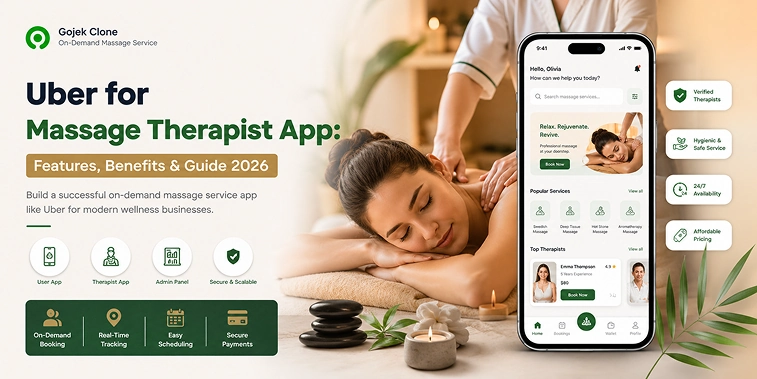
In recent years, the demand for on-demand services has surged, leading to the rise of innovative platforms that connect clients with professionals across various industries. One such development is the emergence of Uber for Massage Therapist apps, which revolutionize the way individuals access massage therapy services. These applications not only offer convenience and flexibility for clients but also empower therapists to grow their businesses and reach a wider audience. As we look ahead to 2026, it’s essential to explore the key features, benefits, and considerations for both clients and therapists in this evolving landscape. This article will provide a comprehensive guide to understanding the impact of these apps and how they are shaping the future of massage therapy.
Overview of Uber for Massage Therapist Apps
Understanding the Concept
The concept of an Uber for massage therapists app is as straightforward as it sounds: connecting clients with licensed massage therapists at the touch of a button. Imagine a world where relaxation is just a few taps away, whether you’re lounging at home, stuck in an office, or hiding from the in-laws. These apps enable users to book massages on-demand, offering a variety of services from deep tissue to Swedish, all while giving therapists the flexibility to manage their schedules and clientele.
Market Trends and Growth Potential
The wellness industry is booming, and massage therapy is no exception. With a growing focus on self-care and holistic health, the demand for on-demand massage services is skyrocketing. According to recent reports, the global wellness market is expected to reach trillions in the coming years, with mobile apps playing a crucial role in its expansion. As more people seek convenient ways to unwind, the growth potential for Uber-style massage apps is enormous—making now a prime time to jump on the relaxation bandwagon.
Key Features of Massage Therapy Apps
User-Friendly Interface
When it comes to apps, we all want something that won’t require an engineering degree to navigate. A user-friendly interface is essential for a smooth booking experience. Bold buttons, clear icons, and intuitive menus ensure even the most tech-challenged among us can book a massage without breaking into a sweat—unless it’s from the massage itself, of course.
Appointment Scheduling and Booking
Life is busy, and finding time to relax shouldn’t add to the chaos. A robust appointment scheduling and booking feature allows clients to easily find available time slots that work with their schedules. Bonus points if the app sends reminders, so no one has to miss out on their much-needed pampering session.
Payment Processing Options
Gone are the days of fumbling for cash or writing awkward checks in front of strangers. A seamless payment processing system that supports multiple options—credit/debit cards, digital wallets, or even apple pie (kidding on that last one)—is essential. This provides both clients and therapists peace of mind, ensuring that transactions are simple and secure.
Therapist Profiles and Ratings
Knowledge is power, and in the world of massage therapy, it pays to do your research. Therapist profiles featuring their qualifications, specialties, and client ratings empower users to make informed decisions. After all, we’d rather trust someone who’s been highly rated over that one guy who claims he gives great back-crutches without any formal training.
In-App Communication Tools
Sometimes, you just need to ask that “important” question (“Do you offer foot massages?”). In-app communication tools allow for easy interaction between clients and therapists. Whether it’s a quick message to clarify a service or a last-minute change, having a chat option keeps the lines of communication open and the massage plans rolling smoothly.
Benefits for Clients and Therapists
Convenience for Clients
Let’s be real—who wouldn’t want a massage delivered right to their doorstep? For clients, convenience is king. With just a few taps, they can book a professional massage wherever they are, whenever they want, without the need to trek across town or deal with stressful scheduling dilemmas. It’s relaxation on demand—now that’s what we call a win!
Increased Visibility for Therapists
For therapists, being featured on a massage app means increased visibility and access to a broader clientele. Instead of relying solely on word of mouth, they can showcase their skills and specialties to potential clients searching for services in their area. Who wouldn’t want to reach a wider audience while doing what they love?
Enhanced Customer Experience
An Uber-style massage app doesn’t just benefit the clients; it also enriches the therapist-client experience. The ability to choose preferred therapists, read reviews, and provide feedback fosters a sense of connection and trust. Plus, nothing beats the feeling of knowing that your soothing escapades are just a click away.
Potential for Increased Revenue
With greater demand comes the potential for increased revenue—both for clients who value convenience and for therapists looking to build their businesses. By leveraging these apps, therapists can maximize their appointment slots and minimize downtime, ultimately leading to a healthier bottom line. It’s a win-win, making self-care not just a luxury but a sustainable practice for everyone involved.
How to Choose the Right Massage Therapist App
Assessing Features and Functionality
Not all apps are created equal. When choosing a massage therapist app, it’s essential to assess the features and functionality that best meet your needs. From booking options to therapist profiles, ensure the app has everything you’re looking for (and maybe a few bells and whistles for good measure).
Evaluating Customer Support
Customer support can make or break your experience with an app. Look for an app that offers robust customer support, whether through live chat, email, or an easily accessible FAQ section. The last thing you want is to be left in the lurch when trying to book your much-deserved “me time.”
Cost Considerations
Price matters, and while many apps offer competitive rates, be sure to weigh the costs against the services provided. Some apps may charge higher fees but offer exceptional features or exclusive therapists. Decide what’s important to you, and choose wisely—after all, a good massage should not only feel good but should also fit your budget.
User Reviews and Testimonials
Trust but verify! Check user reviews and testimonials before committing to an app. Real-life experiences provide valuable insight into other clients’ satisfaction levels and can help you gauge the quality of service you can expect. If a therapist gets rave reviews for their soothing touch or delightful personality, you’ll want to book them ASAP.
The Future of Massage Therapy Apps in 2026
Emerging Technologies in the Industry
As we look to 2026, massage therapy apps are set to embrace cutting-edge technologies that make your relaxation experience even smoother. Think AI-driven personalized recommendations that can suggest the perfect massage type based on your stress levels (because let’s be honest, we all need a little help deciding between Swedish and deep tissue). Virtual Reality (VR) could play a role too, offering immersive environments to help you unwind while you wait for your therapist to arrive.
Potential Market Disruptions
The emergence of new competitors aiming to innovate the traditional massage model could shake things up. Imagine a subscription service that provides you with a monthly massage at home for a flat fee, or a platform that pairs you with therapists who specialize in niche techniques like hot stone or Thai massage. These disruptions could lead to a more diverse range of options for consumers, which is basically a spa day buffet—who doesn’t love choices?
Shifts in Consumer Behavior
With increasing awareness around health and wellness, consumers are becoming more value-driven. They now seek not just relaxation but a comprehensive wellness experience. This means that massage therapy apps need to tap into holistic health trends and provide offerings that include everything from recovery tips to guided meditations, ensuring users view their app as a one-stop shop for self-care.
Marketing Strategies for Massage Therapist Apps
Digital Marketing Approaches
Engaging in targeted digital marketing can help your app stand out in a crowded marketplace. Consider using SEO techniques that include keywords like “mobile massage” and “wellness at your door.” Pay-per-click ads can also hit the sweet spot of reaching potential users at the right time—like after they’ve had a long day and their bodies are practically begging for a massage.
Building a Strong Brand Identity
Creating a unique brand identity is essential for making your app memorable. Develop a brand voice that resonates with your audience—perhaps something laid-back and welcoming, like an old friend who always knows the best ways to help you de-stress. Your logo and color palette should inspire relaxation; think calming blues and greens, not flashy neon orange (unless your target demographic is into that sort of thing).
Leveraging Social Media
Social media is your friend (and therapist, sort of). Use platforms like Instagram and TikTok to showcase soothing massage techniques, share customer testimonials, and run fun contests. Engaging content, such as behind-the-scenes looks at your therapists or live Q&As about wellness can create a community that grows organically and spreads the word about your app.
Partnerships and Collaborations
Consider collaborating with local fitness studios, wellness influencers, or even health-focused brands. These partnerships not only enhance your credibility but also expand your reach—after all, the more people who know about your fabulous app, the likely they are to try it (and then rave about it!).
Addressing Challenges and Limitations
Regulatory Considerations
Navigating the regulatory landscape can be tricky, especially with different laws surrounding massage therapy in various regions. It’s crucial to ensure that all therapists on your app are licensed and compliant with local regulations. Think of this as your due diligence to keep the relaxation flowing without any legal hiccups.
Maintaining Quality Control
Quality is key in the massage therapy game. Users expect to receive top-notch service every time they book an appointment. Implementing rigorous vetting processes for therapists and gathering user feedback can ensure consistent quality and help you address any concerns quickly. After all, nobody wants to be “that person” who leaves a massage feeling more stressed than when they arrived!
Competition in the Market
With numerous apps vying for attention, standing out can feel like trying to find a needle in a haystack. Focusing on unique selling propositions, such as exclusive features, better pricing models, or a more user-friendly interface, can help you stay competitive. Keep an eye on emerging trends and be ready to adapt—after all, the only constant in life is change (and maybe your desire for a good massage).
Conclusion and Call to Action
Recap of Key Points
As we’ve explored, the future of massage therapy apps holds exciting advancements and marketing opportunities, but challenges abound. By leveraging emerging technologies, navigating regulations, and finding creative ways to engage your audience, you’re setting the stage for success in this evolving industry.
Encouraging User Engagement
Get your users involved! Encourage them to share their experiences, provide feedback, and maybe even snap a selfie post-massage (you know, with that blissful glow). Engaged users are not just consumers; they become brand ambassadors, spreading the word about how fabulous it is to get a massage from the comfort of their own home.
Next Steps for Potential Users
Intrigued? Why not download one of these sought-after massage apps today? Whether you’re a stressed-out professional or someone simply looking to pamper yourself, the world of on-demand massages is just a tap away. Treat yourself; you deserve it! As the landscape of massage therapy continues to evolve with the introduction of technology-driven solutions, the Uber for Massage Therapist apps are poised to play a significant role in connecting clients with skilled professionals. By understanding their features, benefits, and the market dynamics, both clients and therapists can make informed decisions that enhance their experiences. Embracing these innovations not only streamlines the booking process but also promotes a thriving community of wellness practitioners. As we move forward, staying informed and adaptable will be key to maximizing the advantages these apps offer.
Frequently Asked Questions (FAQ)
1. How do I choose the best massage therapist app for my needs?
When selecting a massage therapist app, consider factors such as user interface, features offered (like scheduling and payment options), customer support, pricing, and user reviews. It’s also important to assess the app’s reputation within the community.
2. Are there any fees associated with using massage therapist apps?
Most massage therapist apps charge service fees or a percentage of the transaction between clients and therapists. It’s essential to review the pricing structure before using the app to understand any potential costs involved.
3. How can I ensure the quality of therapists on these platforms?
Many apps include a rating and review system that allows clients to provide feedback on their experience. Additionally, reputable apps often verify therapists’ credentials and licenses to ensure quality service.
4. What should I do if I encounter issues while using the app?
If you experience any issues, contact the app’s customer support team for assistance. Most apps have a dedicated support system to help resolve problems related to bookings, payments, or therapist interactions.

Parth Kulkarni
Managing Director
Parth Kulkarni is the Managing Director with strong expertise in IT and on-demand app solutions, focused on empowering startups and enterprises with scalable digital products. His strategic leadership and business insight drive innovation, ensuring consistent client success and long-term growth.